
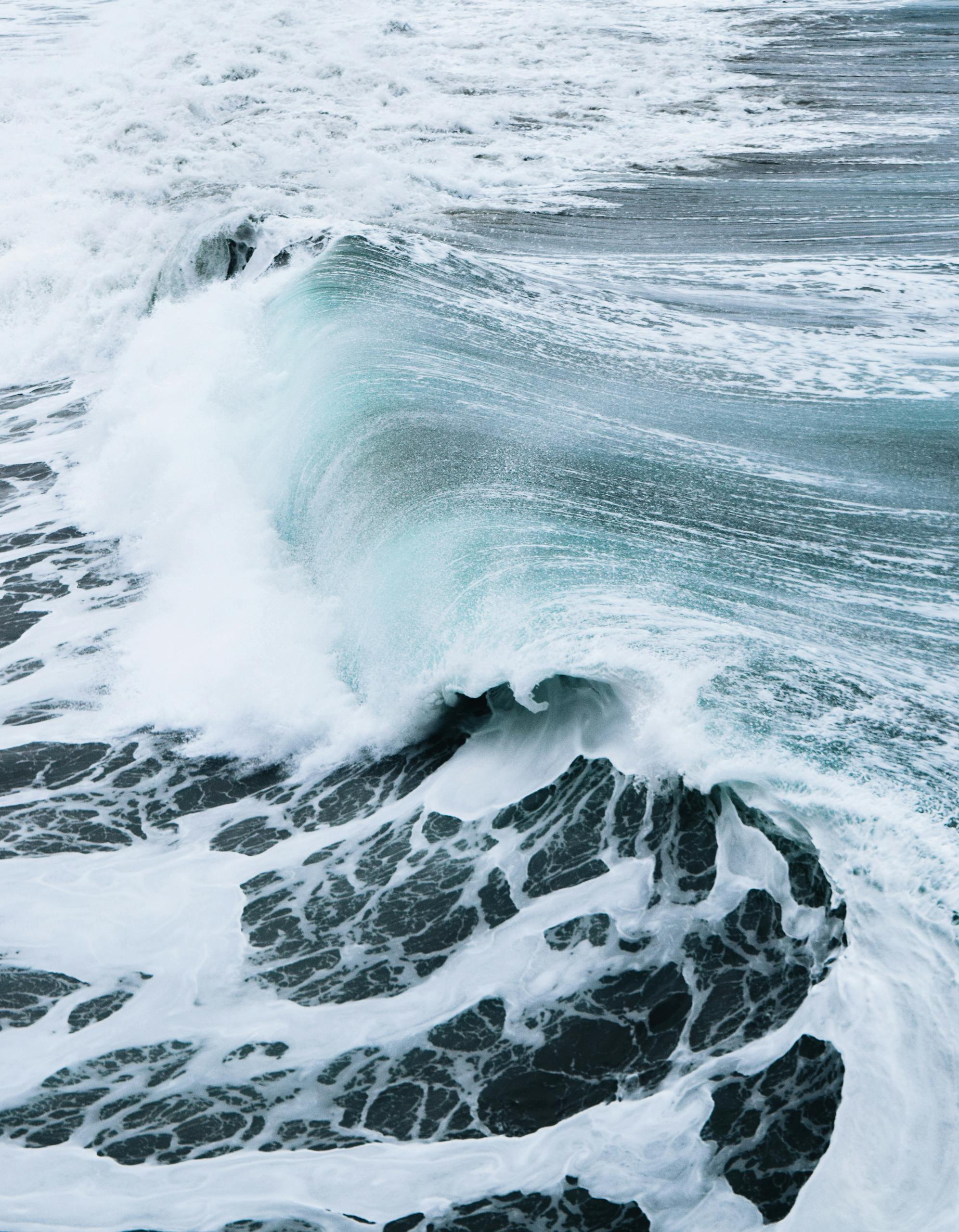
The Wedge is a surf spot in Newport Beach, California, where waves reflecting off the Newport Harbor jetty combine with incoming swell to form a steep, powerful shorebreak. It is dangerous because the waves often peak and break in very shallow water right at the shoreline, which can slam riders headfirst into sand, rock, or other people. On big south swells, faces can reach 20 to 30 feet, creating hazardous conditions that lead to frequent injuries and occasional fatalities.
What is The Wedge?
The Wedge sits at the east jetty of Newport Harbor in the Balboa Peninsula area of Newport Beach. Unlike typical beach breaks that peel farther offshore, The Wedge produces a short, extremely steep wave that detonates almost on the sand. It is iconic among bodysurfers and bodyboarders for its size and intensity, and it is widely recognized as one of the world’s most powerful shorebreaks.
On strong south swells The Wedge can reach roughly 20 to 30 feet, a size rarely seen at a true shorebreak Wikipedia overview.
How does The Wedge work?
The Wedge is created by wave reflection and interference. South and south-southwest swells approach the east jetty and a portion of the wave energy reflects off the rocks. That reflected wave meets the next incoming wave at an angle. Where the crests align, the two combine through constructive interference, building a taller, steeper peak that travels diagonally along the beach. This moving peak is the “wedge.”
The beachface is also relatively steep, so the combined wave stands up fast and breaks almost on shore. The result is a very short ride, an abrupt pitching lip, and a heavy impact zone in shallow water. You can see the reflection and peaking clearly on big days in many videos, such as event coverage and surf edits, but the underlying physics are standard coastal processes of reflection, refraction, and interference explained in coastal engineering texts and summaries like the Wikipedia entry.
Why is The Wedge so dangerous?
- Shorebreak impact. The lip throws forward and down into very shallow water, which can drive a person headfirst into sand or rock. Neck and spinal injuries are a known risk with shorebreaks.
- Sudden, unpredictable sets. Because the peak forms from reflection, some sets grow larger than surrounding waves, surprising people standing near the waterline.
- Strong surges and rip currents. Receding backwash and rip currents near the jetty can knock people off their feet and pull them seaward.
- Hard hazards. The rock jetty is close to the break, and collisions with the jetty or other riders are possible in crowded conditions.
- Crowds and close spacing. The takeoff zone is small. Multiple riders on the same peak increase the chance of impact and equipment strikes.
Shorebreak safety: “Never dive headfirst into oncoming surf, and protect your neck by keeping your hands in front of you when you fall,” advise U.S. lifeguards. See the USLA beach and shorebreak safety guidance.
Beyond surfing and bodysurfing risks, bystanders are vulnerable too. The National Weather Service warns that sneaker waves can surge much farther up the beach than expected, quickly sweeping people off their feet. During winter king tides, wave run-up can be even higher, compounding hazards at exposed spots.
When is The Wedge biggest?
The Wedge fires on south to south-southwest swells, which are most common from late spring through early fall. These swells come from Southern Hemisphere storm systems or from Eastern Pacific tropical cyclones. The strongest days usually coincide with long-period swells from the south, light local winds, and medium-to-high tides that allow the wave to stand up on the steep beachface.
Newport Beach lifeguards manage the area with seasonal rules. During the busy warm months, the city uses a yellow “blackball” flag during daytime hours to prohibit surfboards and certain hard surfcraft to reduce collisions with swimmers and bodysurfers. Check current posted regulations with the City of Newport Beach Lifeguard Operations.
Is it safe to surf or bodysurf The Wedge?
The Wedge is not suitable for beginners. Even experienced riders get hurt here. If you choose to enter the water, use conservative judgment and treat the spot like the high-consequence break it is.
- Watch multiple sets before entering, and never turn your back to the ocean near the waterline.
- Follow lifeguard instructions and posted “blackball” restrictions. Stay off the jetty rocks.
- Do not dive headfirst. If you wipe out, keep your chin tucked, arms in front, and try to land flat to spread impact.
- Maintain distance from other riders. The takeoff zone is small and collisions are a major cause of injury.
- On big days, consider staying on the sand. The viewing is excellent from a safe distance.
“Shorebreak is surf that breaks directly on shore, often in shallow water, and can cause serious neck and spine injuries,” notes the U.S. Lifesaving Association.
Other beaches with similar hazards include Sandy Beach on Oahu and some steep-slope beaches in California and Oregon. The same principles apply everywhere: steep beaches, reflected or intersecting waves, and shallow impact zones make for dangerous shorebreaks.