
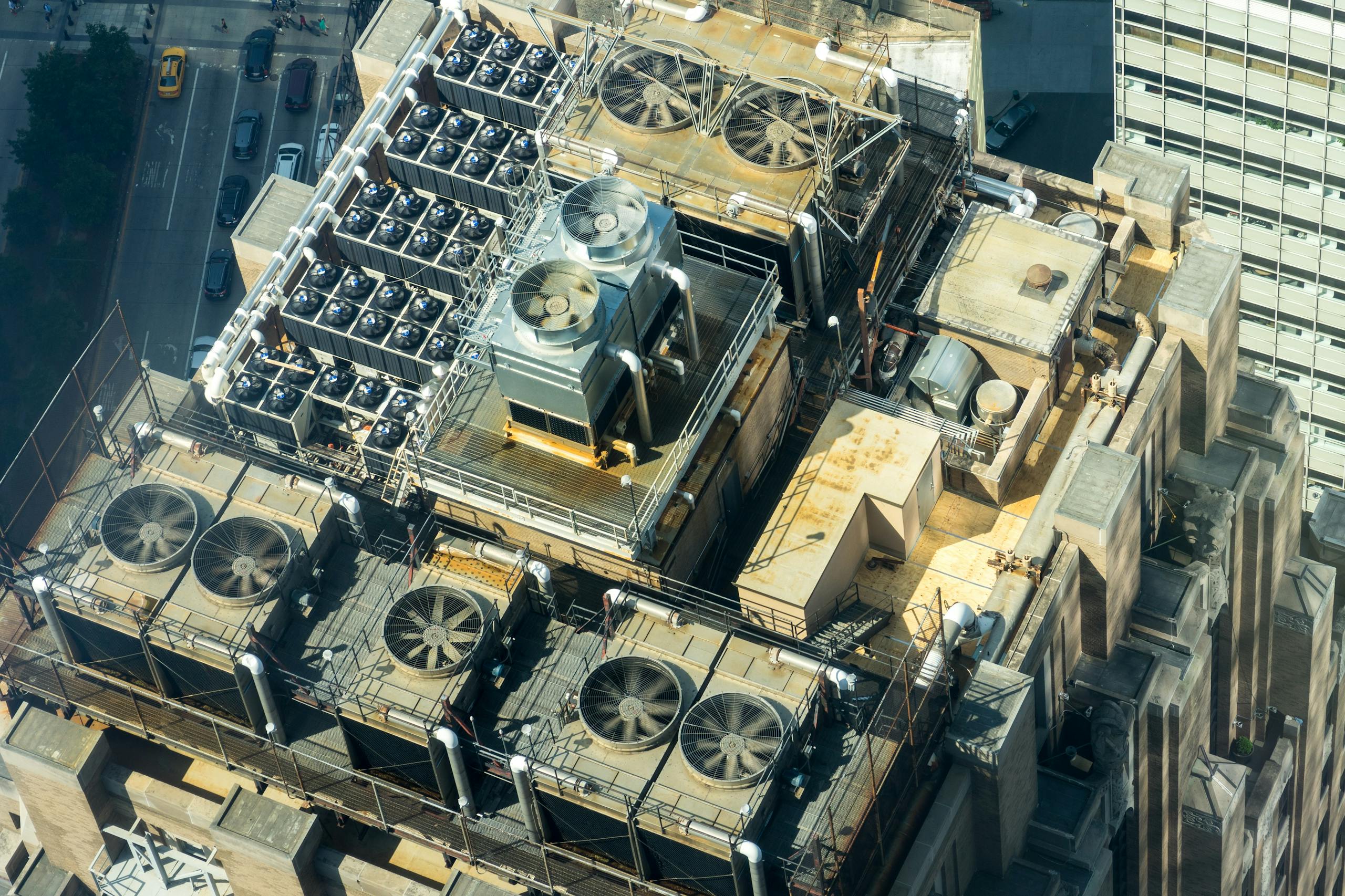
Legionnaires’ disease spreads when people inhale tiny water droplets that contain Legionella bacteria, most often from large water systems such as cooling towers, hot tubs, and spray fountains. In neighborhood clusters like Harlem, the source is typically a contaminated cooling tower that releases mist into the surrounding area, not person-to-person spread and not the cooled air from home air conditioners. Prevention focuses on finding and disinfecting the source, maintaining water systems properly, and avoiding visible mist until health officials declare the area safe.
What is Legionnaires’ disease?
Legionnaires’ disease is a severe form of pneumonia caused by Legionella bacteria that grow in warm water. It is acquired by breathing in aerosolized water droplets, not by drinking water and not from another person. NYC Health summarizes this plainly: people who inhale mist with Legionella can get sick, and the illness is not contagious between people (NYC Health).
“Most people who are exposed to the bacteria do not develop Legionnaires’ disease, and it is not contagious.” — NYC Health
How does Legionnaires’ disease spread?
Legionella thrives in warm, stagnant water and in biofilms on the surfaces of pipes and tanks. The bacteria can multiply in complex building water systems and devices, then become airborne when water is aerosolized as a mist. Common sources are cooling towers that serve large HVAC systems, hot tubs, decorative or spray fountains, and sometimes a building’s hot water system during a building-specific cluster (NYC Health).
Cooling towers are a well known source because they intentionally evaporate and discharge water to shed heat. The CDC notes that if Legionella is present, aerosolized water from cooling towers can travel beyond the immediate building footprint (CDC cooling tower guidance).
“All cooling towers release aerosolized water to the atmosphere. If Legionella is present, the aerosolized water can spread the bacteria over miles.” — CDC
Are cooling towers the likely source in the Harlem cluster?
When multiple people in one neighborhood are diagnosed around the same time, investigations often point to a contaminated cooling tower. That pattern fits recent NYC clusters, including in Central Harlem, which NYC Health described as linked to cooling towers rather than to building plumbing in affected residences (NYC DOH Central Harlem FAQ). Locating the exact tower requires environmental sampling and lab comparison with patient isolates, which can take days.
NYC requires every cooling tower to be registered and routinely sampled for Legionella every 90 days during operation, with maintenance and inspections enforced by the Health Department (NYC cooling tower inspections). This is why public messaging during an active investigation emphasizes symptoms and care, while teams work to identify and disinfect the specific source.
What about showers, sinks, and air conditioners?
- Showers and sinks: These matter mainly in a building cluster, when Legionella has colonized that building’s hot water system. Residents can be exposed to aerosolized droplets during showering. NYC evaluates buildings when two or more cases are linked to the same plumbing system (NYC Health).
- Window or home air conditioners: The cooled air from AC units does not spread Legionella. They do not create or disperse contaminated water mist (NYC Health).
“The bacteria that causes Legionnaires’ disease does not spread through cooled air from air conditioners.” — NYC Health
- Cooling towers: These are large, usually on rooftops, and are distinct from home ACs. They evaporate water to reject heat, and if not properly maintained, can generate contaminated aerosols that drift downwind.
Can you get exposed by walking down the street?
Yes, if you are within the vicinity of a contaminated cooling tower releasing aerosolized water. Risk generally decreases with distance, and most exposed people do not get sick. During a local advisory, avoid visible mist, spray, or plume near buildings with cooling towers, spray features, or hot tubs until officials resolve the source. There is no vaccine, so source control is the primary protection.
Masks: There is no official recommendation to wear masks outdoors for Legionella prevention. A well fitted N95 can reduce inhalation of droplets in general, but it should not be relied on as the main protection. The most effective measures are avoiding visible mist and allowing public health teams to identify and disinfect the source.
Who is at highest risk, and what symptoms should trigger care?
Higher risk groups include people 50 years or older, smokers, those with chronic lung disease, and people with weakened immune systems (NYC Health). Symptoms can include fever, chills, cough, muscle aches, headache, fatigue, confusion, diarrhea, and shortness of breath.
If you have these symptoms, especially if you are in a risk group or live or work in an affected area, seek medical care and mention possible Legionnaires’ disease. It is treatable with antibiotics, and early treatment improves outcomes.
Practical prevention: what residents can do
- Follow NYC Health alerts for your neighborhood and comply with any guidance about avoiding showers or specific buildings if a plumbing related building cluster is identified.
- Avoid visible mist from cooling towers, spray fountains, and hot tubs until the investigation ends.
- If you manage a building, ensure you are registered and in full compliance with cooling tower regulations, including routine Legionella sampling and maintenance (NYC inspection program).
- For individuals at higher risk, consider avoiding hot tubs and steam rooms during an active neighborhood advisory, and maintain home humidifiers according to manufacturer instructions using distilled water.
- Remember that drinking water is not a transmission route, and the disease does not spread person to person (NYC Health).