
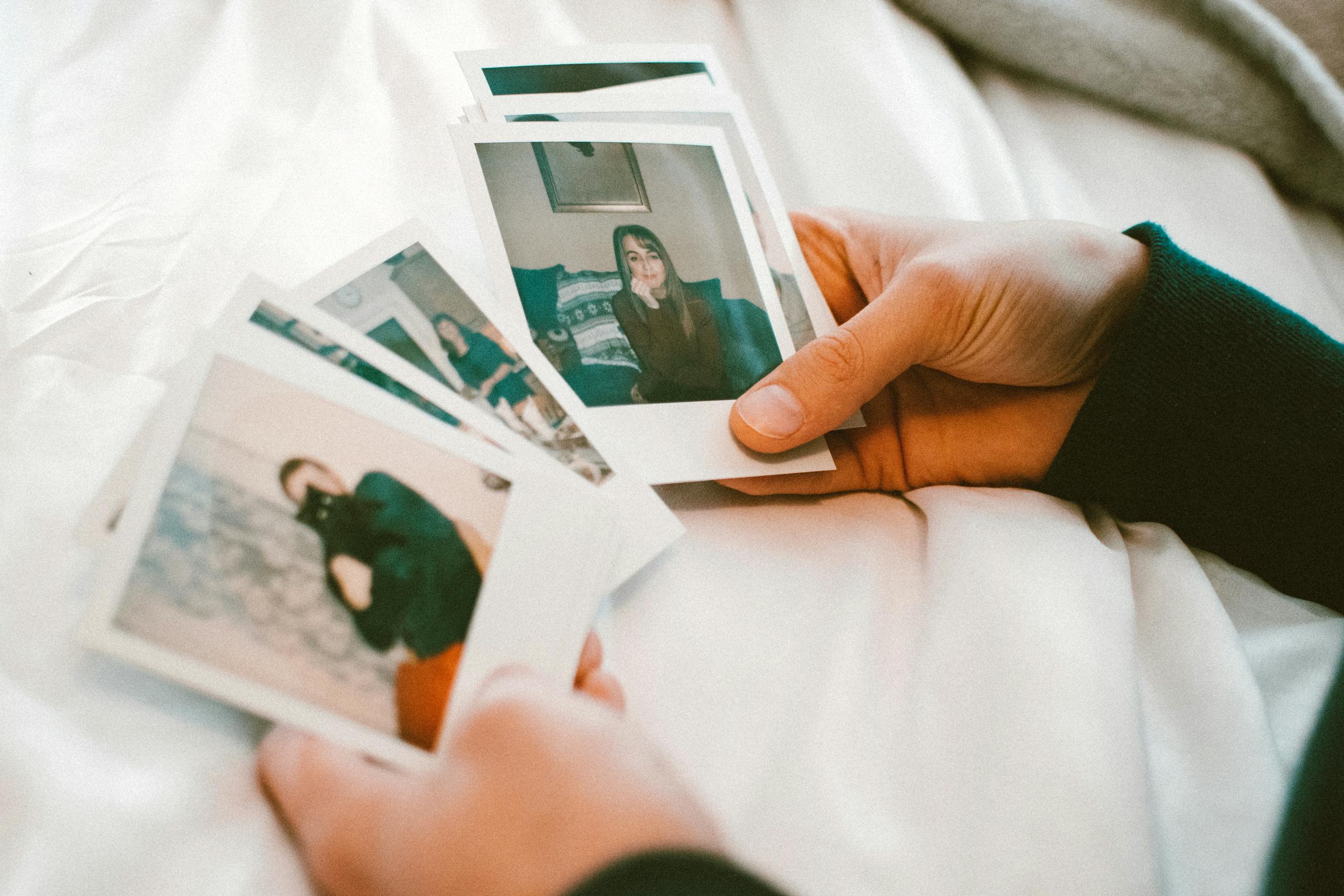
You remember the moment clearly, or at least it feels that way. The texture of a sweater, the tilt of a smile, the exact words said. But memory is not a recording of the past, it is a story we keep rewriting, and sometimes that story drifts far from the facts.
For decades, scientists have shown how easily false memories can be created and how convincingly they settle into our minds. The consequences stretch from family lore to the highest stakes in courtrooms.
How the brain builds and rebuilds the past
Human memory is reconstructive. When we recall, the brain does not pull a pristine file from storage. It rebuilds an experience from fragments, emotions, and expectations, then saves that edited version again.
Neuroscientists call this process reconsolidation. Each retrieval is an opportunity for details to shift, for outside suggestions to slip in, and for confidence to harden around a version that feels undeniably true. The vividness of a memory is not proof of its accuracy.
The Bugs Bunny at Disneyland experiment
One of the clearest demonstrations comes from work by University of Washington researchers Elizabeth Loftus and Jacquie Pickrell. In a study publicized by the university, adults evaluated advertising copy for a Disneyland trip. Some saw a fake ad describing a meet-and-greet with Bugs Bunny.
Bugs Bunny never appears at Disneyland, since he is a Warner Bros. character. Yet after exposure to the ad, many participants later reported shaking his hand there. In versions of the experiment described by the UW team, roughly 30 percent of those who read the bogus ad said they remembered or knew they had met Bugs at Disneyland, and the rate rose to about 40 percent with additional exposure to a cardboard cutout.
“The frightening thing about this study is that it suggests how easily a false memory can be created.”
Jacquie Pickrell, University of Washington psychology researcher
The effect did not stop at a single false detail. Participants who absorbed the phony ad were more likely to link the nonexistent encounter to other Disney experiences, such as imagining Bugs and Mickey together. A seed of suggestion sprouted new, related memories.
When mistakes go to court
Memory’s malleability is not just a curiosity of the lab. It shapes justice. Eyewitness misidentification has contributed to a large share of wrongful convictions later overturned by DNA evidence, according to the Innocence Project and other criminal justice researchers.
Stress, cross-racial identification challenges, poor viewing conditions, and time all degrade accuracy. Suggestive questioning can compound the problem. Asking, “What color was the hat?” presumes a hat existed and nudges a witness to confabulate a detail that fits the narrative.
The power of suggestion in interrogation
High-pressure interrogation can distort memory in two ways. First, repeated assertions from authority figures can lead someone to doubt their own recollection. Second, exhaustion and fear can prompt people to adopt details offered by investigators, solidifying a false story that later feels real.
Reforms aim to reduce these risks. Police departments in many jurisdictions now record interviews in full, use double-blind and sequential lineups, avoid leading questions, and train investigators in evidence-based interviewing. These changes do not make memory perfect, but they make it less vulnerable to contamination.
Therapy’s reckoning with recovered memories
In the 1980s and 1990s, some therapists used techniques like hypnosis or guided imagery to “recover” buried traumatic memories. Research has since shown that such suggestive methods can implant false memories, especially when clients are eager to find a cause for distress.
Modern clinical guidance urges caution. Ethical practice prioritizes present symptoms and corroborating evidence rather than aggressive memory excavation. The central lesson matches the science: strong feelings attached to a memory do not guarantee that the remembered events happened as recalled.
Everyday stakes: ads, nostalgia, and family stories
False memories are not limited to dramatic settings. Nostalgic advertising primes us to misremember past vacations as more magical, meals as tastier, and childhoods as simpler. Family photo albums and home videos can also morph into “memories” we later feel we personally lived, even when our first recollection came from seeing the media years later.
None of this means our past is a lie. It means our autobiographies are edited by the same brain that tries to make meaning from noise. The edits can be useful, helping us compress details and emphasize lessons, but they can also mislead when precision matters.
How to protect yourself from memory’s blind spots
You cannot make memory infallible, but you can build better habits around it. These steps help keep recollections honest and reduce the impact of suggestion:
- Write it down promptly. Capture key details in your own words as soon as possible, before conversations or media can influence what you think you saw.
- Seek corroboration. When stakes are high, look for independent evidence such as timestamps, receipts, photos, or messages rather than relying on recall alone.
- Avoid leading questions. Ask open-ended prompts like “What happened next?” instead of presuming details. Push yourself to separate what you remember from what you infer.
- Mark uncertainty. When journaling or giving an account, note which parts you are unsure about. Distinguishing confidence from fact can prevent later overcommitment.
- Be cautious with hypnosis or guided imagery. These techniques increase suggestibility and can produce vivid but inaccurate memories.
- In legal settings, request safeguards. If you are a witness or a suspect, ask for recorded interviews and for procedures that minimize suggestion, and seek legal counsel early.
What scientists have learned, and what we can do with it
Decades of research, led by scholars like Elizabeth Loftus, have mapped robust pathways by which suggestion can create detailed false memories. The effects show up across ages and contexts, from childhood narratives to adult autobiographies. They can arise from subtle cues, authoritative statements, or repeated exposure to a claim.
The scientific takeaway is clear. Memory is a living system, not an archive. That demands humility from all of us, patience from professionals who question witnesses and clients, and policies that shield crucial decisions from the slippery nature of recollection.