
What lunar regolith does to human health and equipment, and how NASA plans to control it on Artemis missions
Is moon dust toxic? Current evidence suggests it is not highly chemically toxic, but it is a hazardous physical irritant that can inflame eyes and airways, abrade skin, and damage equipment. Apollo astronauts reported coughing, sneezing, throat irritation and watery eyes after moonwalks, and modern studies indicate the primary risk comes from the dust’s sharp, abrasive particles rather than potent chemical toxicity.
What is moon dust?
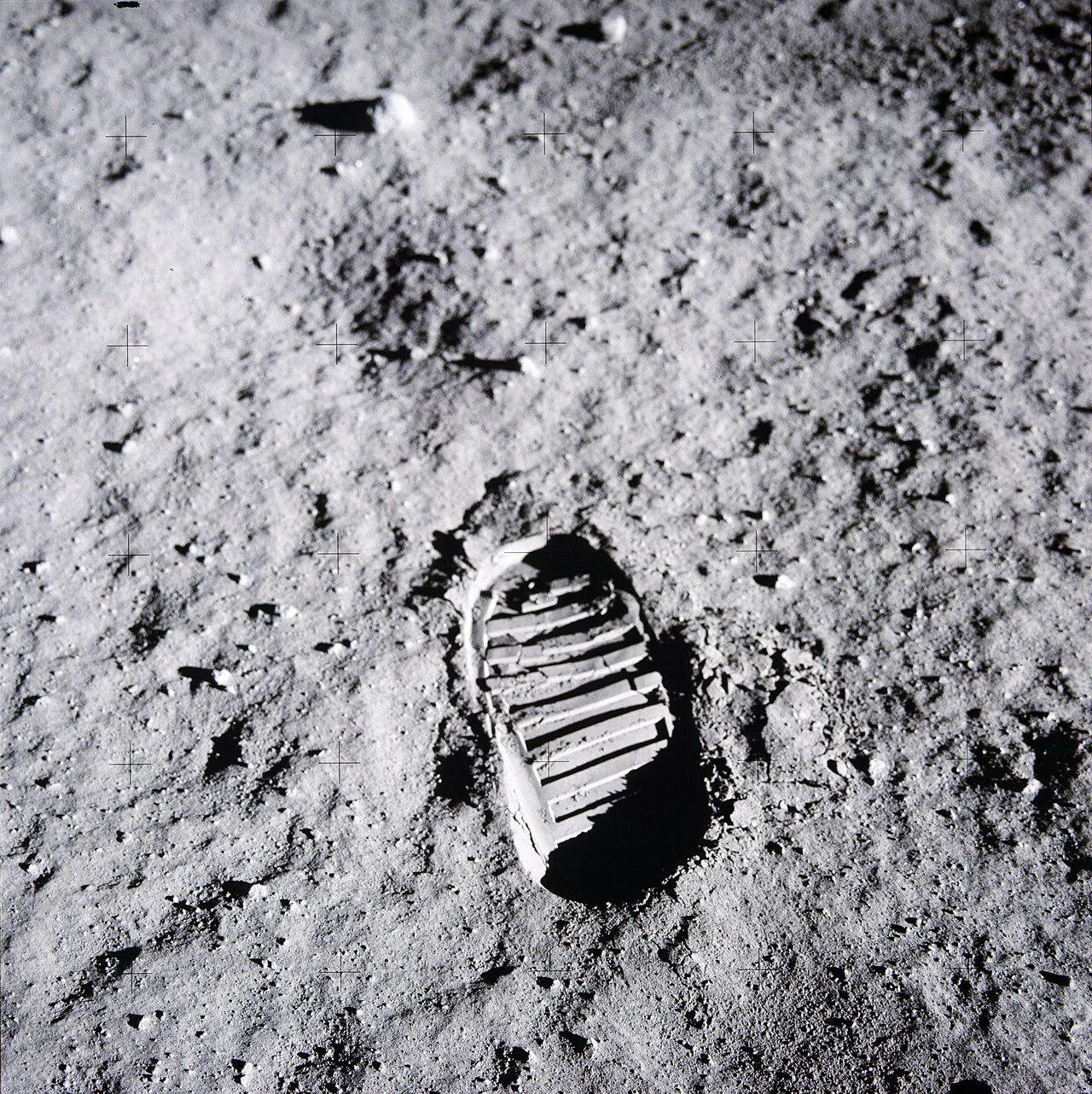
Moon dust, properly called lunar regolith, is a layer of pulverized rock and glass-rich fragments that blankets the Moon. Because there is no wind or liquid water to round off edges, many grains are jagged and angular. Solar ultraviolet light and the solar wind charge these grains, which makes them cling to spacesuits and hardware.
Definition: lunar regolith is a dry, airless blanket of sharp mineral and glass fragments created by billions of years of micrometeorite impacts, with particles that can carry electric charge and adhere to surfaces.
Is moon dust toxic?
Laboratory results point to limited chemical toxicity and significant physical irritation. A 2025 study led by the University of Technology Sydney exposed human lung cells to advanced lunar dust simulants and to urban air pollution particles. The simulants produced less inflammation than the Earth dust and did not trigger strong oxidative stress responses, a key pathway in many particle toxicities (UTS press release summarizing the peer-reviewed paper).
Key finding: lunar dust simulants were “less harmful to human lung cells than previously feared, and significantly less toxic than common Earth-based air pollution,” with mechanical abrasion, not chemistry, as the main irritation mechanism (UTS, 2025).
That does not mean lunar dust is safe to breathe. Fine particles, especially those ≤2.5 micrometres, can reach deep into the lungs. The current picture is that lunar dust toxicity is dominated by physical hazards, such as abrasion and inflammation, rather than silica-like chemical reactions that lead to diseases such as silicosis after long-term exposure. Because most data come from simulants and in vitro tests, agencies still treat lunar dust as a mission-critical hazard that requires strict exposure controls.
How do astronauts get exposed to lunar dust?
Astronauts do not breathe dust during a moonwalk, since suits are sealed. Exposure happens when dust stuck to the suit and tools becomes airborne inside the habitat after an extravehicular activity. This occurred repeatedly during Apollo, when crews removed dusty suits inside the small lunar module and reported irritation and “lunar hay fever” symptoms documented in mission logs and postflight medical reports (NASA Apollo Lunar Surface Journal; Biomedical Results of Apollo).
Historical note: Apollo crews tracked dust into the cabin on suits and sample bags, then sneezed and coughed as the fine particles became airborne in the confined volume, a scenario Artemis planners aim to prevent.
How does moon dust affect astronauts and equipment?
The same properties that make lunar regolith clingy and sharp create multiple hazards during surface missions.
- Human irritation: coughing, sneezing, sore throat, watery or irritated eyes, and potential skin abrasion for any exposed areas during suit maintenance.
- Mechanical wear: abrasion of suit bearings, seals, visors, tools and mechanisms, which can increase leak risk and reduce reliability over time.
- Performance losses: dust on radiators and solar panels can reduce heat rejection and power, and on optics it can degrade visibility and measurements.
How is NASA mitigating lunar dust?
Artemis hardware is being designed to keep dust out of habitable spaces and off critical surfaces. The approach layers engineering controls so crews avoid contact and habitats maintain clean air.
- Suitport concepts, already prototyped by NASA and partners, attach the spacesuit to the rover or habitat exterior so astronauts enter and exit through a rear hatch, keeping the dusty suit outside. The UTS study notes Artemis-era vehicles adopting this design to prevent cabin contamination (UTS, 2025).
- Surface dust removal: emerging electrodynamic dust shield coatings use embedded electrodes to shake off charged particles from visors, solar panels and radiators. These are being matured for lunar applications and other dusty environments (National Academies, Life and Physical Sciences).
- Habitat cleanliness: dedicated airlocks, vacuum ports, sticky mats and high-efficiency filtration capture particles before they circulate inside living volumes.
- Materials and design: abrasion-resistant seals and bearings, dust-tolerant mechanisms, and smooth coatings reduce adhesion and wear.
What are the limits of current evidence?
Much of what we know comes from Apollo crew reports, short-duration exposures, and studies using lunar dust simulants under Earth laboratory conditions. Simulants approximate composition and shape, yet they cannot perfectly reproduce the surface activation and electrostatic charging that occur on the Moon. Most health data are in vitro, not long-term human or animal studies in reduced gravity. For these reasons, space agencies assume lunar dust is hazardous and set conservative exposure limits while continuing research to refine risk.
Bottom line: moon dust is unlikely to be “poison” in the chemical sense, but it is a pervasive, sharp, electrostatically clingy irritant that can harm people and hardware without robust controls. Future lunar missions will rely on isolation of dusty gear, active dust-removal technologies, and good cabin hygiene to keep crews healthy and systems working.