
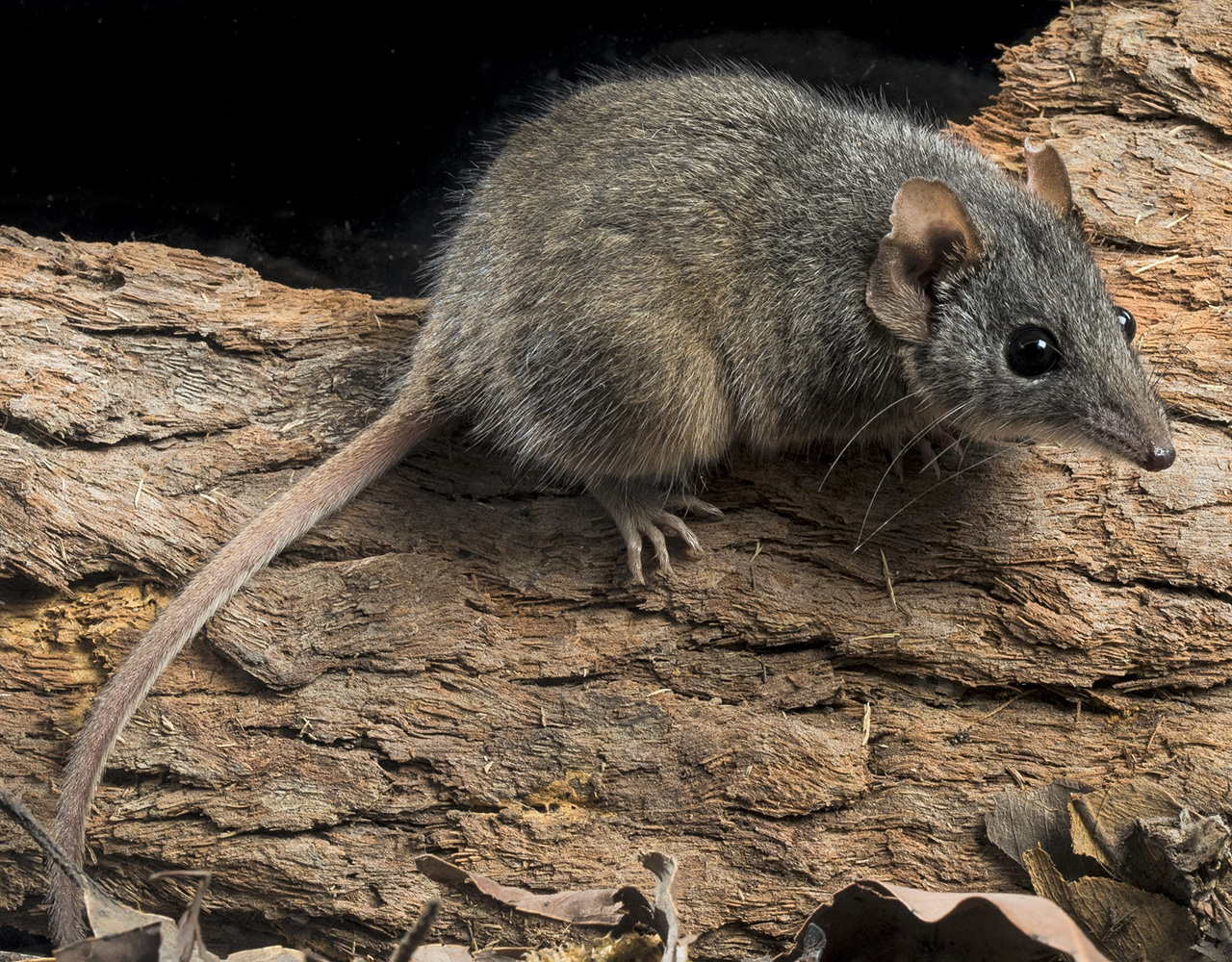
Male antechinus die after mating because an extreme, weeks-long breeding frenzy triggers a massive surge in stress hormones that collapses their immune system and causes organ failure. This synchronized, one-off reproductive strategy, called semelparity, means males invest all energy into a single mating season and then die before offspring are weaned. The immediate cause is chronically elevated corticosteroids during the brief breeding window.
What is an antechinus?
Antechinus are small, insect‑eating Australian marsupials in the dasyurid family, often nicknamed “marsupial mice.” Multiple species exist, from the Brown Antechinus (Antechinus stuartii) to recently described species like the Silver‑headed Antechinus (A. argentus). They are mostly nocturnal, live in forests and heathlands, and have short lifespans of about one year for males. The Australian Museum outlines their unusual life history where males die after a single breeding season.
Semelparity is a life‑history strategy in which an organism reproduces once and then dies, unlike iteroparous species that breed multiple times across their lives.
How does the antechinus breeding season work?
All females in a local population come into heat at nearly the same time each year, triggered largely by day‑length cues. This compression creates intense competition among males during a short window of about two to three weeks. Mating sessions are long, sometimes lasting hours, and males attempt to mate with many females to maximize paternity through sperm competition. After the mating period, females gestate and then nurse large litters, while males deteriorate and die.
Field studies show the breeding season is tightly synchronized and brief, and that virtually all wild males die soon after mating ends (National Geographic).
What causes male antechinus to die after mating?
The proximate driver is a runaway stress response. As the season approaches, the hypothalamic–pituitary–adrenal (HPA) axis ramps up, elevating corticosteroids for weeks without recovery. Research indicates this chronic hormone surge suppresses immunity, impairs tissue repair, and leads to catastrophic physiological decline (The Conversation summary of endocrinology studies).
- Hormone overload: Sustained high corticosteroids and reproductive hormones during nonstop mating push metabolism and stress pathways beyond normal limits.
- Immune collapse: Immunosuppression allows infections and parasites to proliferate.
- Internal damage: Ulceration, internal bleeding, and organ failure have been documented in post‑mating males.
- No recovery window: The brief, all‑consuming season offers no time to heal before lethal damage accumulates.
Classic endocrine work on Brown Antechinus documented the link between chronic stress hormones and male die‑off, a pattern also reviewed across dasyurid marsupials (Bradley, General and Comparative Endocrinology).
Why would evolution favor this one‑and‑done strategy?
In habitats where food and breeding opportunities peak briefly each year, it can pay for small males unlikely to survive a second winter to invest everything in one shot. With females synchronized, males benefit by mating as much as possible rather than conserving energy for a future season they probably will not reach. Some researchers also argue that removing males from the population after mating may reduce competition for food while females are pregnant and lactating, indirectly boosting offspring survival (The Conversation).
Is this unique to antechinus, and are there exceptions?
Semelparity is rare in mammals but has evolved in several small Australian dasyurids. Male die‑offs after a single mating season occur in Antechinus and close relatives such as phascogales and the red kaluta (Australian Museum). In captivity, a few males may survive longer if stress is reduced, but in the wild the pattern is consistent. Females typically survive through gestation and lactation, and some species’ females can breed in a second year, though survival past the first litter is often low.
What does this mean for conservation and research?
Because entire male cohorts disappear annually, populations can be sensitive to shifts in the timing of the breeding peak and to habitat disruptions that reduce food just before lactation. Several antechinus species have restricted ranges and conservation concern, including recently described taxa like the Silver‑headed Antechinus from Queensland’s Blackdown Tableland, highlighted by Australia’s Threatened Species programs (NESP Threatened Species). Understanding the hormonal controls of semelparity and how climate affects breeding synchrony is key for managing these populations.
Male die‑off is not a pathology in need of fixing, it is an evolved life‑history strategy that matches a short seasonal pulse of resources.