
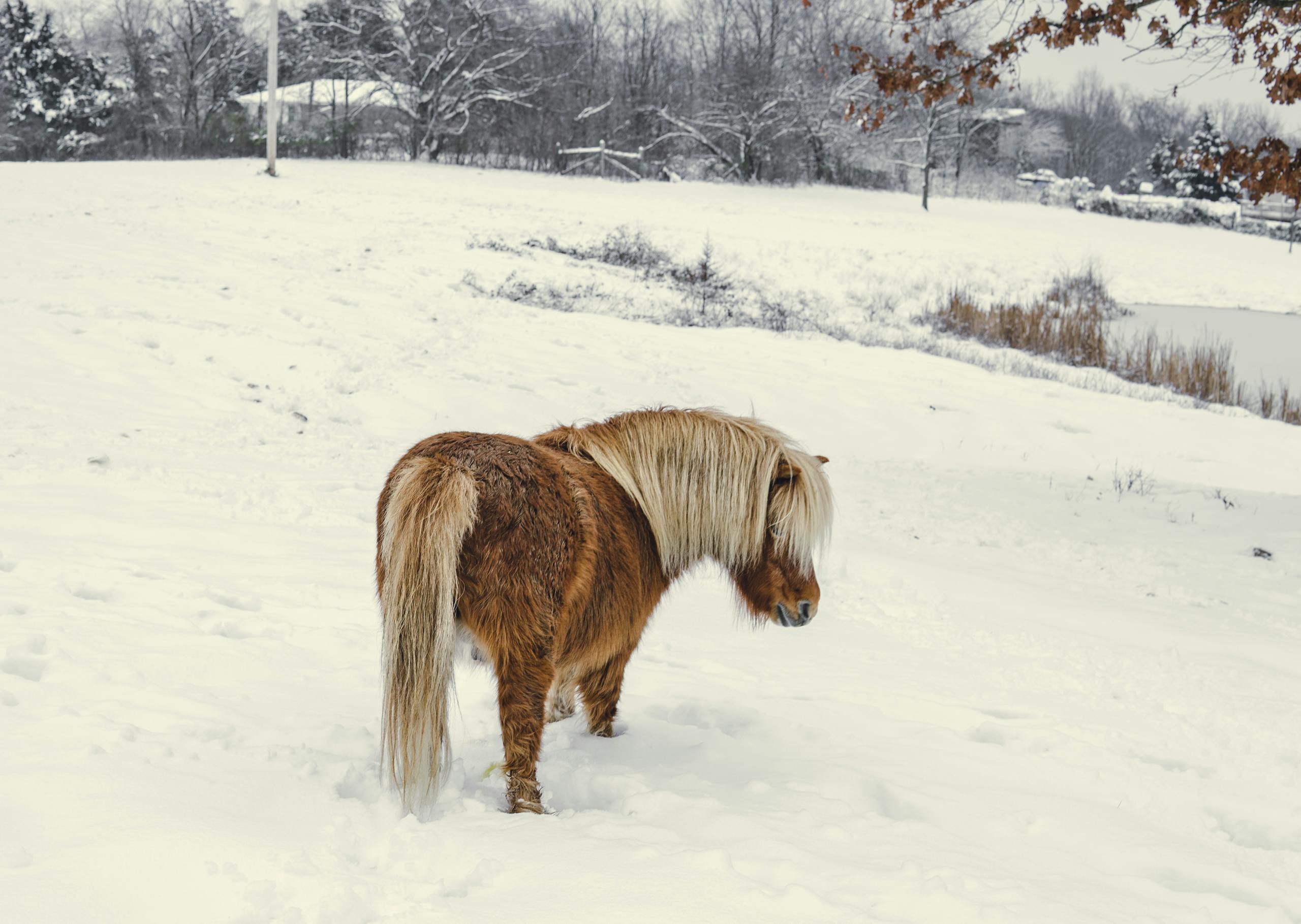
How a native Siberian breed endures 7 3 winters using anatomy, physiology, behavior, and traditional herding practices
Yakut horses survive 7 3 winters by combining a dense double winter coat, substantial fat reserves, a compact body that conserves heat, slowed winter metabolism, and behavior like pawing through snow to reach forage. These adaptations let Yakut horses live outside year round in the Sakha Republic, where January temperatures often fall below 7 3, as long as they have access to feed, water, and wind shelter. Herding practices in Yakutia also support them with hay and managed pastures when natural forage is scarce.
What are Yakut horses?
Yakut horses, also known as the Yakutian horse, are a native northern breed from the Sakha Republic (Yakutia) in northeastern Siberia. They are small, sturdy ponies by height, but powerfully built, with short limbs, wide hooves, and heavy manes and tails. The breed developed in one of the coldest inhabited regions on Earth through centuries of natural and cultural selection for hardiness and self-sufficiency.
Yakut horses are a cold-adapted landrace breed from Siberia that traditionally live outdoors in semi-feral herds through long, dark winters in Yakutia (Yakutian horse).
How do Yakut horses survive extreme cold?
Multiple layers of adaptation work together:
- Insulating coat: A thick double coat grows in autumn. Long guard hairs shed snow and sleet, while a dense undercoat traps air for insulation. Winter hair can reach several centimeters in length.
- Body design for heat conservation: A compact, barrel-shaped body with shorter ears and limbs reduces surface area relative to mass, which limits heat loss.
- Subcutaneous fat and seasonal metabolism: Yakut horses lay down fat in late summer and autumn, then run a slower metabolic rate in winter, reducing energy needs while maintaining core temperature.
- Peripheral blood flow control: Vasoconstriction in the extremities minimizes heat loss while preserving core warmth.
- Behavioral strategies: Horses stand with their backs to the wind, huddle, and choose natural windbreaks. They keep moving in severe cold to generate body heat.
In parts of Yakutia, winter lows routinely drop below 7 3, and the settlement of Oymyakon has recorded 76.7, illustrating the conditions this breed routinely faces.
What do Yakut horses eat in winter?
Yakut horses forage by pawing through snow to reach buried sedges and grasses. In deep snow, they commonly break through 30 to 50 centimeters to uncover forage. Herds are also provisioned with hay by herders to maintain body condition when snow crusts over or pastures are depleted. Access to unfrozen water or snow for hydration, mineral licks, and shelter from prevailing winds are part of traditional management.
Yakut horses use their broad hooves to excavate snow, often 30 to 50 cm, exposing cured grasses beneath for winter grazing (Yakutian horse).
Are Yakut horses the only horses that can withstand 7 3?
No. They are among the most cold-tolerant breeds and regularly endure some of the lowest temperatures on Earth, but other northern breeds also live outdoors in severe climates. Icelandic horses and Mongolian horses overwinter outside in subzero conditions using similar strategies, though the routine extremes in Yakutia are lower than in most of Iceland and Mongolia. What sets Yakut horses apart is the frequency and intensity of cold they experience, not a unique ability to be the only horses outdoors in winter.
How are Yakut horses used and managed?
Yakut horses are managed in semi-feral herds and used for riding, light draft work, and as culturally important sources of meat and fermented mare27s milk. Herders typically provide supplemental hay, check body condition, and offer windbreaks. In spring, the horses shed their heavy winter coats naturally. In short warm spells near 25 to 30 3, they benefit from shade, water, and reduced workload to avoid heat stress, since they are optimized for cold rather than sustained heat and humidity.
What are the limitations and welfare considerations?
- Wind and wetness: Dry cold is manageable with a full winter coat, but sleet and strong wind increase heat loss. Windbreaks, tree cover, or simple shelters improve welfare.
- Forage availability: Deep crusted snow or ice can block access to grass. Regular hay prevents weight loss.
- Hoofing through deep snow: While they can dig through substantial snow, prolonged or repeated ice crusts can limit foraging and raise injury risk, so human support matters.
- Parasites and summer heat: As winters shorten and summers warm, insect pressure and heat events may rise, requiring management adjustments such as shade and fly control.
Why Yakut horses matter
Yakut horses are a living example of rapid adaptation in domestic animals, with traits that parallel other Arctic mammals. Their biology and cultural role in Yakutia offer insight into resilience, food security, and animal management in extreme environments.