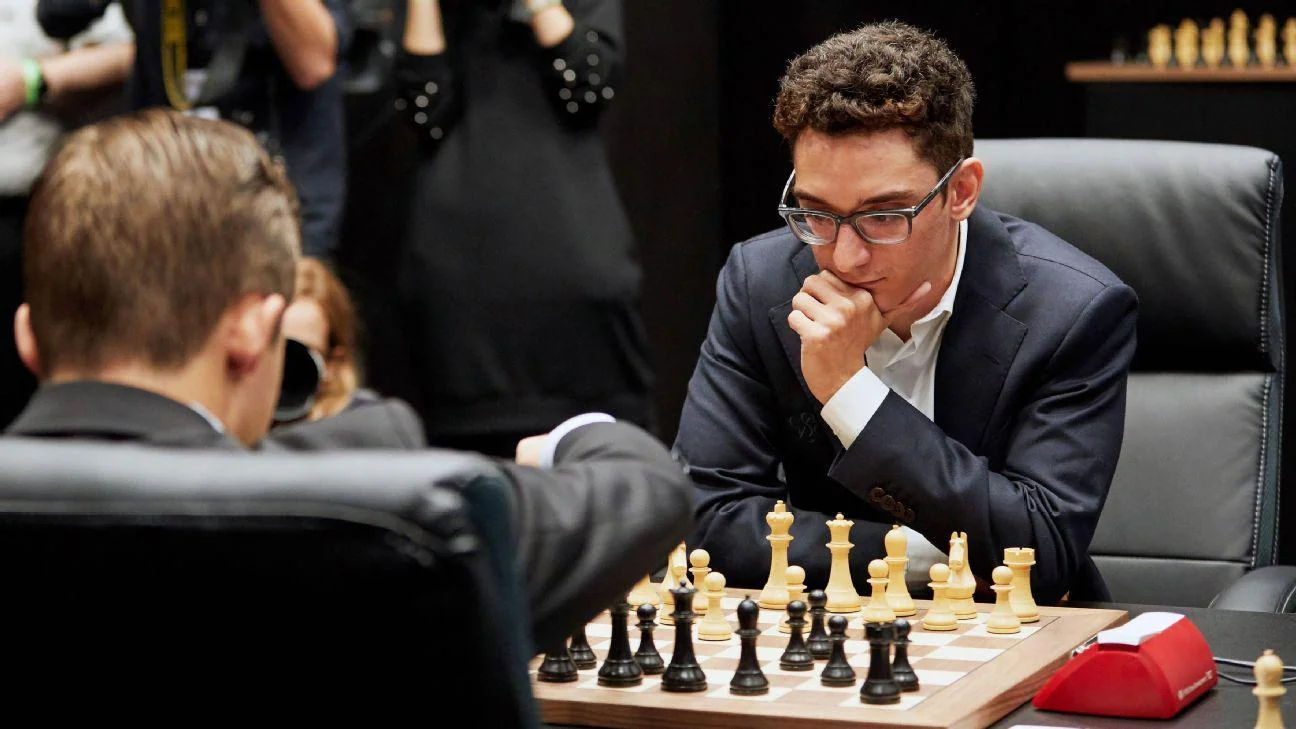
The answer to how many calories does playing chess burn is about 70 to 100 kilocalories per hour for an average adult, roughly 10 to 20 percent above resting metabolic rate. That is a modest increase, not the hundreds per hour sometimes claimed, and it reflects stress-driven physiology and small movements more than pure “brain power.”
How many calories does playing chess burn?
Measured energy expenditure during mentally demanding tasks sits only slightly above rest. In chess, studies that tracked players’ breathing gases and heart-rate variability during games found sympathetic activation (stress response) and a shift in fuel use, but not a dramatic jump in total calories burned (European Journal of Applied Physiology, 2009). For practical estimates, chess resembles other seated “board games.” The Compendium of Physical Activities assigns seated board games about 1.5 METs, meaning 1.5 kilocalories per kilogram per hour (Ainsworth et al., J Appl Physiol, 2011). For a 70 kg person, that is roughly 105 kcal per hour, versus about 70 kcal per hour at complete rest. Real-world chess play typically falls around 70–100 kcal per hour depending on body size and how much you fidget.
Chess raises energy use modestly above rest, on the order of tens of kilocalories per hour, not hundreds.
How is chess energy use measured?
The most reliable way to quantify calorie burn in this context is indirect calorimetry, which estimates energy expenditure by measuring oxygen consumption and carbon dioxide production in exhaled breath. This approach is considered a gold-standard proxy for metabolism in lab and field settings and was used in research on chess players (Eur J Appl Physiol, 2009).
Indirect calorimetry, which analyzes O2 and CO2 in breath, is the gold‑standard proxy for energy expenditure in human studies.
By contrast, calorie numbers extrapolated from heart rate alone are unreliable during psychological stress. An independent evaluation of seven popular wearables found that while heart rate was typically within 5 percent of medical-grade measurements, none of the devices estimated calories accurately, with average errors ranging from 27 percent to 93 percent (Stanford Medicine summary of Journal of Personalized Medicine study).
“In contrast, none of the seven devices measured energy expenditure accurately.” — Stanford Medicine
Does thinking hard burn lots of calories?
The brain is metabolically active, using about 20 percent of the body’s resting energy, roughly 20 watts on average. However, total brain energy use stays within a relatively narrow range, and intense thinking changes whole-body calorie burn only slightly (StatPearls: Cerebral Metabolism). In the chess study, players’ heart rates rose modestly (about 75 to 86 beats per minute) and respiratory exchange ratio shifted toward greater fat oxidation over time, consistent with sympathetic activation from sustained cognitive stress rather than a large increase in total metabolic rate (Eur J Appl Physiol, 2009).
Why do some reports claim hundreds of calories per hour?
There are two common mix-ups:
- Heart rate is not a direct proxy for calories during mental stress. Elevated heart rate reflects arousal and autonomic changes, not necessarily large increases in oxygen consumption. Wearable calorie estimates based on heart rate can be off by tens of percent or more (Stanford Medicine).
- Confounding factors around tournaments. Long rounds, time pressure, fidgeting, pacing, and reduced sleep or appetite can raise total daily energy expenditure or cause short-term weight fluctuations. That is different from the per-hour metabolic cost of sitting and thinking.
In short, chess can be stressful and physiologically engaging, but indirect calorimetry and standardized activity equivalents do not support claims of “athletic-rate” calorie burn while seated.
What else affects calories burned during chess?
- Body size and composition. Larger bodies burn more at rest and during light activity.
- Nonexercise activity (NEAT). Fidgeting, shifting posture, or pacing between moves adds to total burn.
- Duration and environment. Long sessions, warm rooms, or standing desks raise energy use slightly.
- Stress level. Higher arousal can nudge metabolism up, but the effect is still modest compared with true exercise.
If you want to improve performance or manage weight during events, focus on sleep, hydration, regular meals, light physical activity between rounds, and realistic expectations about “chess calories.” Estimates of chess calories based on heart rate alone are not reliable; use research grounded in indirect calorimetry and understand that heart rate variability reflects stress, not necessarily large metabolic changes.