
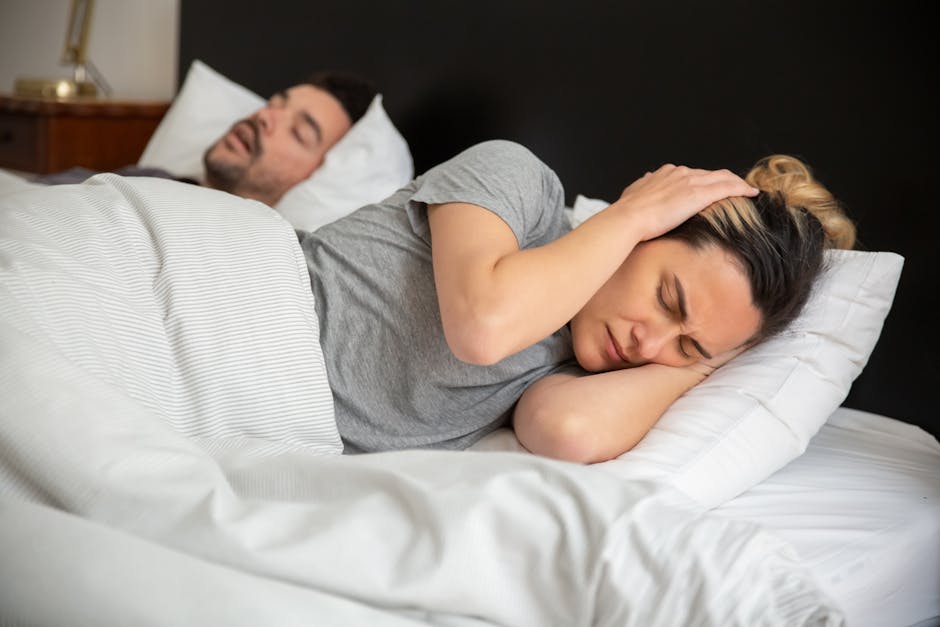
Pink noise for sleep is not reliably effective. In a randomized sleep-lab study, continuous pink noise at 50 decibels reduced REM sleep by about 19 minutes and did not protect against intermittent aircraft noise, while earplugs largely preserved deep sleep. If you need sound to fall asleep, keep volumes low or use a timer, but for protection against traffic or aircraft noise, earplugs or reducing noise at the source work better than pink noise.
Key sources: peer‑reviewed study in SLEEP and university summary (SLEEP, Penn Medicine).
What is pink noise?
Pink noise is a broadband sound whose power decreases by about 3 decibels per octave, concentrating more energy at lower frequencies than white noise and less than brown (red) noise. To most ears it resembles steady rain or a distant waterfall. In audio terms it is often called 1/f noise. See the spectrum differences in the overview of the colors of noise.
How does pink noise for sleep affect REM and deep sleep?
Researchers studied 25 healthy adults, ages 21 to 41, over seven nights in a sleep lab. Participants did not typically use sound at night. They slept under different conditions: quiet control, recorded aircraft noise, pink noise at 50 dB, aircraft noise plus pink noise, and aircraft noise plus earplugs. Each morning included sleep questionnaires and performance tests.
Compared to quiet, aircraft noise reduced time in deep N3 sleep by about 23 minutes per night. Earplugs largely prevented this drop. Pink noise alone reduced REM sleep by about 19 minutes at 50 dB.
When aircraft noise was combined with pink noise, both deep sleep and REM were shorter than on quiet nights, and wake time during the night increased by roughly 15 minutes. Subjectively, people reported lighter sleep and more awakenings with aircraft or pink noise unless they used earplugs. Details are summarized by Penn Medicine and reported in SLEEP.
In this trial, pink noise did not mitigate intermittent environmental noise and was associated with less REM sleep, whereas earplugs protected deep sleep from aircraft noise.
How does pink noise compare with earplugs, white noise, and brown noise?
- Earplugs: In this study, foam earplugs were significantly more effective than pink noise for preserving deep sleep under aircraft noise. This aligns with public health guidance that lowering noise exposure at the ear is the most direct way to protect sleep.
- White noise vs pink noise: Evidence that steady masking sounds improve overall sleep quality is limited and mixed. Some people fall asleep faster with steady noise, but studies also report potential fragmentation of sleep stages. The present study specifically implicates a REM reduction with constant pink noise at 50 dB, and it did not test white noise directly. If you compare white noise vs pink noise, the spectral slope differs, but the key factor for sleep may be overall loudness and steadiness rather than the exact color.
- Brown (red) noise: Brown noise shifts more energy to low frequencies. While popular anecdotally, high-quality clinical data showing that brown noise improves sleep architecture are sparse. As with other colors, keep volume low and steady if you use it.
Important distinction: tightly timed “pink noise” pulses that are phase-locked to brain slow waves during NREM are a different intervention from leaving pink noise on all night. Closed-loop acoustic stimulation has shown short-term enhancement of slow-wave activity and memory in lab settings (Ngo et al., Neuron 2013; Papalambros et al., 2017), but that is not the same as continuous pink noise.
What are the limitations of the new study?
- Small, specific sample: 25 healthy adults who did not typically sleep with sound. Results may differ in people accustomed to sound machines, in those with insomnia, tinnitus, ADHD, or in shift workers.
- Single loudness level: Pink noise was played at 50 dB. Lower levels might have different effects.
- Lab setting, one week: Habituation over longer periods was not tested. Real homes also have different acoustics and noise patterns.
- Type of noise exposure: Environmental noise was recorded aircraft noise. Other intermittent noises, such as road traffic or snoring, could have different impacts.
The authors themselves conclude that pink noise and other broadband “sleep aids” need more rigorous testing across populations and contexts (SLEEP).
Who might use pink noise anyway?
People in noisy neighborhoods, those living with a snoring partner, or individuals with tinnitus sometimes find steady sound helps obscure unpredictable or internal noise and aids sleep onset. The new data suggest that constant pink noise at moderate loudness may trade some benefits in falling asleep for potential reductions in REM sleep and no protection against intermittent external noise.
If you have persistent sleep problems, daytime sleepiness, or significant tinnitus, discuss options with a clinician. Addressing the noise source, improving bedroom sound insulation, or using earplugs for sleep may offer better protection for sleep architecture than adding more sound.
Practical tips for sound at night
- Prioritize quiet: Reduce noise at the source when possible. Earplugs or soft silicone putty can help, especially for aircraft or traffic noise. Use clean, well‑fitting plugs and avoid inserting them too deeply. Consider a vibrating or light-based alarm if you are concerned about waking.
- Keep volumes low: Whether using a fan, white noise, or pink noise, aim for the lowest effective level, ideally below conversation level. Public health guidance emphasizes minimizing nighttime sound exposure for better sleep (WHO Environmental Noise Guidelines).
- Use a timer: If you rely on sound to fall asleep, try a 30 to 60 minute timer so the sound does not play through the entire night. This may reduce the risk of disturbing REM sleep.
- Choose steady, non-varying sounds: Avoid content with speech, music dynamics, or sudden changes that can trigger micro‑arousals.
- Test alternatives: Some sleepers do better with brown noise, others with white noise, and many with silence plus earplugs. Track how you feel the next day and adjust.