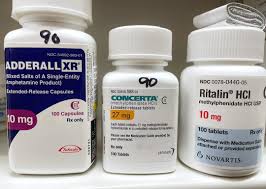
On average, stimulants are more effective and work faster than non-stimulants for ADHD, but many patients benefit from non-stimulants and some may reasonably start with them. Head-to-head and network meta-analyses generally show larger symptom reductions with methylphenidate or amphetamines, while atomoxetine, guanfacine, clonidine and viloxazine produce moderate improvements, often with a slower onset. A recent Nature Mental Health perspective argues clinicians should give equal first-line consideration to both classes based on patient differences and broader impacts, although most guidelines still list stimulants as the typical first choice.
What are stimulant and non-stimulant ADHD medications?
Stimulants include methylphenidate and amphetamine formulations. They increase dopamine and norepinephrine signaling and have decades of randomized-trial evidence across ages.
Non-stimulants include:
- Atomoxetine (a norepinephrine reuptake inhibitor)
- Guanfacine ER and clonidine ER (alpha‑2A adrenergic agonists)
- Viloxazine ER (a norepinephrine reuptake inhibitor with serotonergic effects)
- Bupropion (off‑label, a norepinephrine–dopamine reuptake inhibitor used in adults)
Major guidelines have traditionally recommended stimulants first for most school‑age children and adults, reserving non-stimulants when stimulants are not tolerated or contraindicated. See the American Academy of Pediatrics 2019 guideline summary and the UK NICE guideline NG87 for details (AAP Pediatrics 2019, NICE NG87).
How does efficacy compare between stimulants and non-stimulants?
Across randomized trials, stimulants typically yield larger average symptom reductions than non-stimulants. A comprehensive network meta-analysis found stimulants to be the most efficacious medicines in children and adolescents, and amphetamines to have the largest effects in adults, with non-stimulants effective but with smaller standardized effect sizes (Cortese et al., Lancet Psychiatry 2018).
Atomoxetine shows clinically meaningful benefits with time. In pooled adult trials, effect sizes were small at 4 weeks and became moderate by 6 months at target dosing.
In adults treated up to 26 weeks, atomoxetine achieved a moderate effect size of about 0.52 by study end, with continued improvement over months (Wietecha et al., 2016).
Alpha‑2 agonists are particularly helpful for hyperactivity, impulsivity and emotional dysregulation in youth, while viloxazine ER adds another non-stimulant option. Direct head‑to‑head data are more limited than for stimulants.
How fast do these medications work?
Stimulants usually start working the same day they are taken. Benefits and side effects are apparent quickly, and dose finding often happens over days to weeks.
Non-stimulants often have a delayed and gradual trajectory. Atomoxetine can show early changes within 1 to 2 weeks, but many responders need 4 to 6 weeks at target dose and may continue to improve for 12 to 24 weeks.
Atomoxetine responders continued to accrue benefits over 10 to 26 weeks, especially at an 80 mg target dose in adult trials (Wietecha et al., 2016).
When might non-stimulants be used first-line?
Although stimulants are often first-line, non-stimulants can reasonably be chosen first in several situations:
- Intolerable stimulant side effects in the patient or close family history
- Cardiovascular concerns where stimulants are contraindicated or require caution
- Tics, anxiety, or sleep problems where alpha‑2 agonists may be advantageous
- Substance use risk, diversion concerns, or strong preference to avoid controlled substances
- Comorbidities where bupropion could also address depression in adults
Guidelines allow clinician and patient preference to guide initial choice, and some systems require step therapy regardless of clinical nuance (NICE NG87, AAP 2019).
Are there differences in safety and misuse risk?
All ADHD medicines can cause side effects and require monitoring. Common stimulant effects include decreased appetite, insomnia and mild increases in heart rate or blood pressure. Non-stimulants have different profiles: atomoxetine can cause nausea or fatigue and carries rare risks like liver injury; alpha‑2 agonists can cause sedation and low blood pressure; viloxazine may cause somnolence and gastrointestinal symptoms. Suicidality warnings apply to some non-stimulants in pediatric populations. Clinicians tailor monitoring to the agent and patient.
Concerns that stimulant treatment causes later substance abuse have not been supported in large population studies. In Swedish registry data, stimulant treatment was associated with lower, not higher, rates of severe substance abuse outcomes over follow-up.
Among people with ADHD, those prescribed stimulant medication had a 31 percent lower rate of substance-abuse related hospitalization, death or crime three years later (HR 0.69, 95% CI 0.57–0.84) (Chang et al., 2014).
That said, stimulants can be misused or diverted, so safe storage, prescription monitoring and patient education are important.
What does the new Nature Mental Health article argue?
A 2026 perspective in Nature Mental Health contends that non-stimulants should receive equal consideration as first-line options by reinterpreting randomized trials, highlighting heterogeneity of treatment effects and weighing societal impacts such as diversion risk and access (Faraone & Newcorn, 2026). It emphasizes matching initial therapy to patient characteristics rather than defaulting to stimulants for everyone.
This is an expert opinion piece, not a guideline, and the authors disclose industry relationships in the competing interests section. Current evidence supports that both classes are effective, stimulants have larger average and faster effects, and non-stimulants may be preferable for some patients. Most professional guidelines still typically start with stimulants while encouraging individualized decisions.