
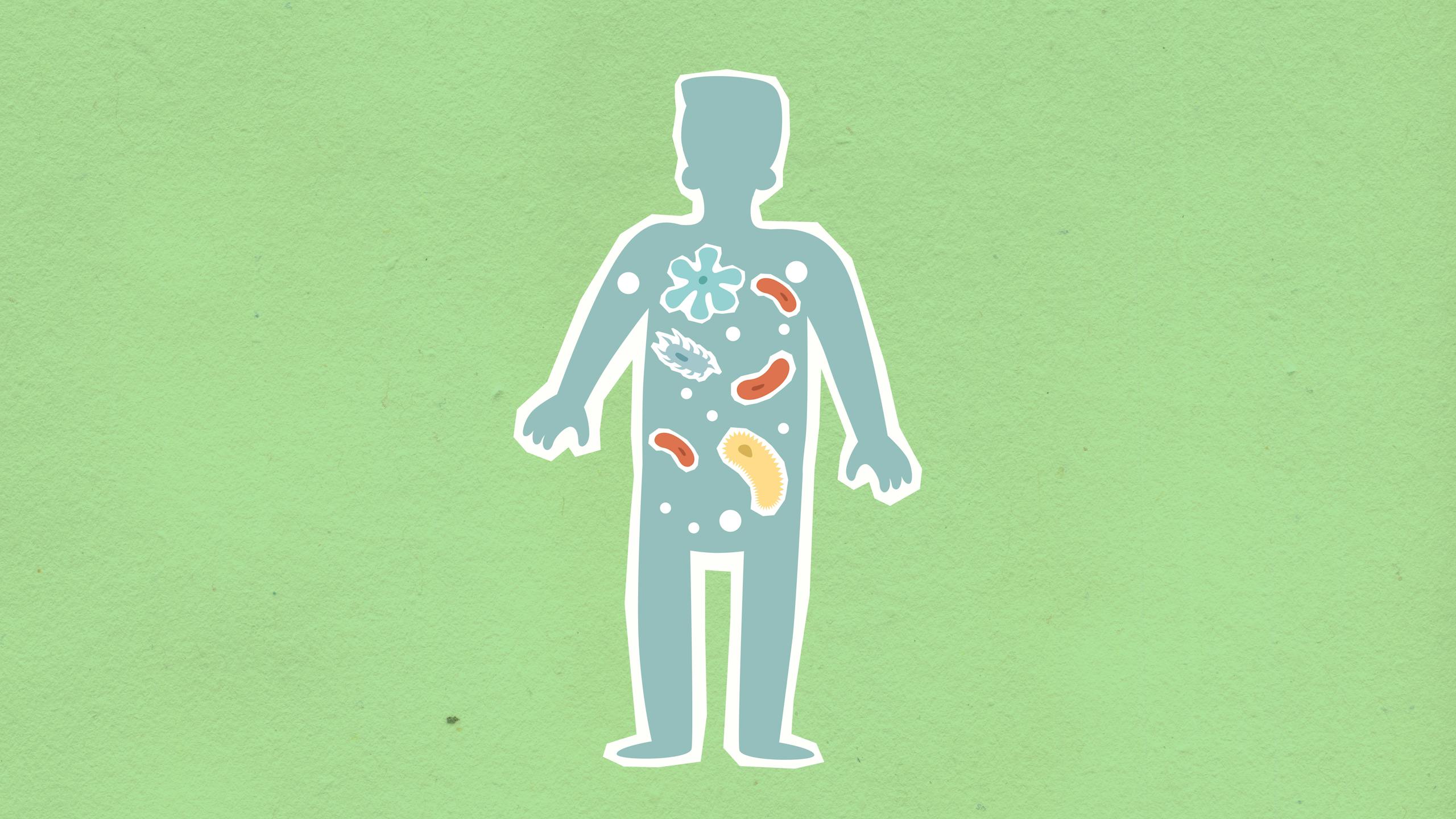
At the onset of inflammatory bowel disease, the gut microbiome shows a clear loss of beneficial, obligate anaerobic bacteria that help digest complex carbohydrates, and a rise in oxygen-tolerant bacteria, including species that normally live in the mouth. These shifts were detected in newly diagnosed people with Crohn’s disease and ulcerative colitis before any treatment, across a combined dataset of more than 1,700 participants from 11 countries. The pattern supports the gut “oxygen hypothesis,” which proposes that increased oxygen near the gut lining favors oxygen-tolerant microbes, although it does not by itself prove causation.
What did the new study find?
Researchers unified raw microbiome data from multiple studies and reanalyzed them with a single bioinformatics pipeline to minimize technical differences. The synthesis, published in Gastroenterology, consistently showed depletion of beneficial anaerobes and enrichment of oxygen-tolerant taxa in treatment naive, newly diagnosed IBD across age groups and regions. It also identified a mouth to gut microbial signal, with oral genera appearing in intestinal samples.
First combined reanalysis of raw microbiome data at IBD diagnosis, more than 1,700 children and adults in 11 countries, before treatment (Gastroenterology, 2025).
The authors reported differences between stool and biopsy samples, variation between children and adults, and geographic effects. They also noted wide variability in methods across original studies, underscoring the need for standardization. Summary details are available in the University of Birmingham release describing the work.
How does the oxygen hypothesis explain these microbiome shifts?
The healthy colon is dominated by obligate anaerobes, which thrive in very low oxygen and produce short chain fatty acids that support gut barrier function. In early IBD, epithelial stress and inflammation can increase oxygen diffusion into the mucosa. This change favors oxygen tolerant or facultative anaerobic bacteria that can use oxygen when it is available, disrupting the prior balance.
The oxygen hypothesis proposes that higher oxygen near the inflamed gut lining disrupts anaerobic communities and selects for oxygen-tolerant microbes, amplifying inflammation.
The study also highlights an oral–gut microbial axis, with oral taxa detected in the intestine. Oral bacteria such as Granulicatella and Haemophilus were among the oxygen-tolerant groups that increased at diagnosis, suggesting either increased oral seeding or improved survival of these species in a more oxygenated gut environment.
Which bacteria decrease and which increase at IBD onset?
Because the analysis harmonized many datasets, it emphasizes functional patterns more than a single species list. Two reproducible trends emerged:
- Decreased: beneficial obligate anaerobes that help break down complex carbohydrates and generate short chain fatty acids important for gut health.
- Increased: oxygen tolerant bacteria, including oral species such as Granulicatella and Haemophilus, and other facultative organisms that can outcompete anaerobes when oxygen is present.
The stool versus biopsy differences noted in the study mean that the precise taxa identified can depend on the sample type, age, and geography, but the overall functional pattern was consistent across cohorts.
Does this mean the microbiome causes IBD?
Not on its own. IBD arises from interactions between genetic susceptibility, the immune system, environmental exposures, and the microbiome. More than 200 genetic risk loci have been identified for IBD, including NOD2, IL23R, and HLA regions, but genetics alone does not explain who develops disease or its course. Family studies show increased risk for first degree relatives, yet many genetically predisposed people never develop IBD.
Genetic studies have mapped more than 200 IBD risk loci, but genetics explains only part of disease risk and outcome (review, 2024).
The new analysis strengthens evidence that microbiome disruption is present right at diagnosis and before therapy, which argues against the idea that treatments alone create these changes. However, inflammation itself can alter oxygen levels and nutrient availability, which can in turn reshape the microbiome. The relationship is likely bidirectional, with microbial shifts both reflecting and reinforcing mucosal inflammation.
What could this mean for diagnosis and treatment?
Finding a consistent early signature opens several practical avenues:
- Earlier detection: biomarker panels that detect a rise in oxygen-tolerant, oral-like taxa and loss of anaerobes could help flag IBD sooner, especially in high risk individuals.
- Microbiome-targeted strategies: interventions that restore anaerobe-friendly conditions or reintroduce key functional groups might complement standard care. The authors note interest in non drug approaches that either modulate oxygen at the mucosa or target the oral–gut microbial axis.
- Standardization: the field needs consistent sampling and analysis methods so microbiome-based tests are reproducible across clinics and countries, as the study’s methods review emphasized.
These ideas are active research areas rather than clinical recommendations. Anyone with symptoms consistent with IBD should seek medical evaluation rather than self-treating with over-the-counter probiotics or supplements.
For a concise overview of the study’s design and implications, see the University of Birmingham summary here, and the peer reviewed paper in Gastroenterology here.