
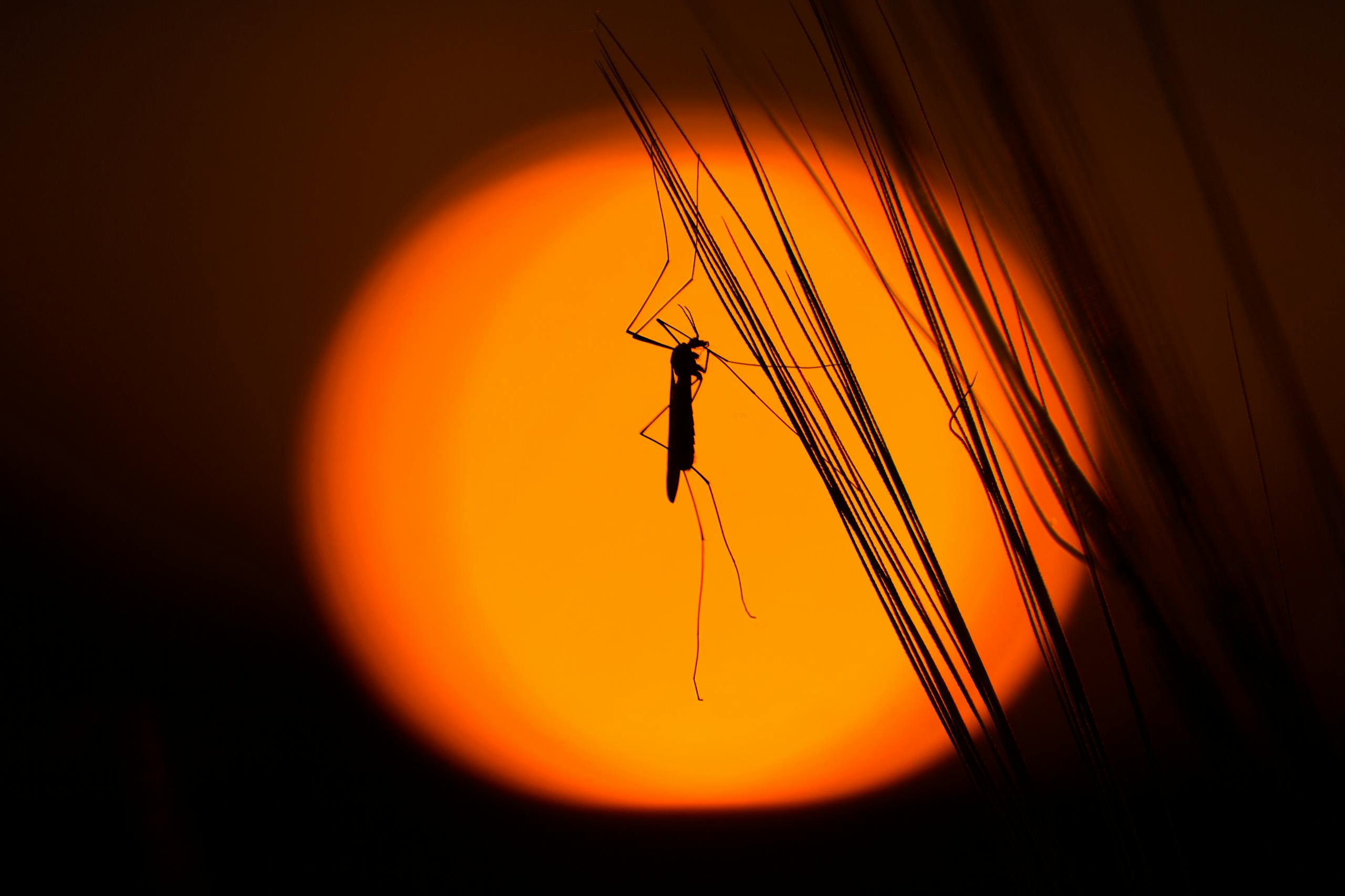
Iceland does not have an established population of mosquitoes. Individual mosquitoes occasionally arrive on planes or ships, but repeated surveys have found no species that completes its life cycle or overwinters successfully in the country. The chief reason is Iceland’s winter freeze and thaw pattern, which interrupts mosquito development and kills eggs or larvae before spring.
What is the current status: are there mosquitoes in Iceland?
No, there are no resident mosquito species in Iceland. Entomologists have documented sporadic, accidental arrivals, yet none have formed a self-sustaining population. Iceland remains one of the few sizable land areas without mosquitoes, alongside Antarctica at the continental scale (BBC Future), (Smithsonian Magazine).
Evidence to date shows zero established mosquito species in Iceland; sporadic introductions have not led to breeding populations.
Headlines sometimes claim the “first mosquito” was found in Iceland. These reports typically reflect a single hitchhiking insect, not a confirmed breeding population, which requires multiple life stages documented over time by specialists.
Why does Iceland have no mosquitoes?
Mosquitoes need standing water for larvae and pupae, plus either a continuous deep freeze to pause development safely or a reliably warm season long enough to complete their life cycle. Iceland’s climate often oscillates above and below freezing in winter. That instability is lethal to overwintering eggs and larvae because a thaw can trigger development, followed by a refreeze that kills them (BBC Future), (Smithsonian Magazine).
Other contributing factors include limited shallow, warm, stagnant water bodies in many regions and the island’s isolation, which reduces repeated introductions compared with continental hubs. Geothermal pools do not generally function as safe nurseries because temperature and chemistry can be unsuitable and many are managed or flow rapidly.
The key mechanism is the freeze–thaw cycle: winter warm spells wake dormant stages, and the subsequent return to freezing kills them before spring.
How is Iceland different from Greenland and Antarctica?
Greenland and much of the Arctic have abundant summer mosquitoes. Long, stable freezes keep aquatic stages dormant under ice, and when spring arrives, meltwater pools persist long enough for development. Public land resources in Alaska describe how intense Arctic mosquito blooms are a normal part of tundra ecology (U.S. National Park Service).
Antarctica is the only continent naturally free of mosquitoes. Its invertebrate fauna includes hardy midges such as Belgica antarctica, but no true mosquitoes occur there (British Antarctic Survey).
Could climate change allow mosquitoes to establish in Iceland?
Possibly, but it has not happened yet. Warmer summers lengthen the breeding window, and milder winters could reduce lethal refreezes. On the other hand, more winter thaws without a consistently warm season could continue to disrupt development. Experts note the potential for change, with surveillance remaining important, but current data show no established population in Iceland (BBC Future).
- What would likely need to change: longer warm seasons with stable aquatic habitats, fewer freeze–thaw interruptions, and repeated introductions via travel or trade.
- What we see now: no resident species and cold-season dynamics that still prevent successful overwintering.
For context, European vector maps maintained by public health agencies show no established invasive Aedes mosquitoes in Iceland (ECDC vector maps).
Do Iceland’s “midges” bite, and is there a disease risk?
Iceland is famous for vast swarms of non-biting midges around Lake Mývatn, whose name literally means “midge lake.” These insects can be a nuisance but do not blood-feed like mosquitoes (Smithsonian Magazine).
Because there are no established mosquito vectors, the risk of mosquito-borne diseases such as malaria, dengue, or West Nile in Iceland is currently negligible. Travelers who react strongly to insect bites will usually find Iceland far more comfortable than other northern regions where mosquitoes flourish.
Bottom line
Iceland still has no confirmed, self-sustaining mosquito population. Occasional insects may arrive, but the country’s climate, especially freeze–thaw dynamics, prevents them from establishing. Greenland and much of the Arctic do have heavy summer mosquitoes, while Antarctica has none at all. Climate warming could change Iceland’s suitability in the future, so continued monitoring is warranted, but for now the mosquito-free reputation holds.