
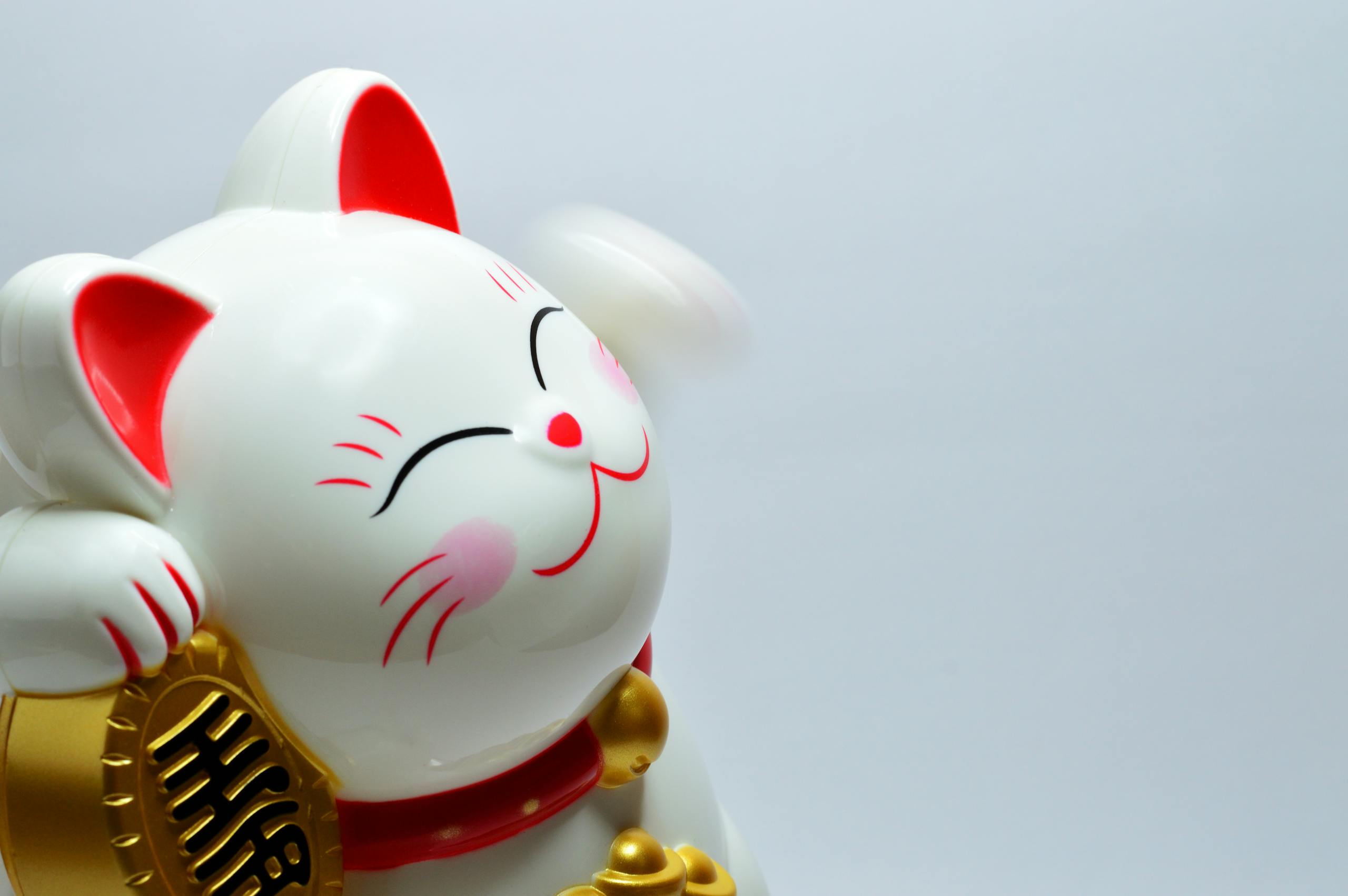
Cats purr because rhythmic activity in the voice box makes the vocal folds vibrate at low frequencies as the cat breathes in and out. They do it in many situations because purring serves multiple functions, including quiet social communication, soliciting care, and self-regulation under stress, with a plausible but unproven role in promoting recovery through low-frequency vibration. Purring is not only a sign of contentment, it is a versatile behavior with context-dependent meanings.
What is purring?
Purring is a continuous, low-frequency vocalization, typically around 25 to 150 hertz, produced during both inhalation and exhalation. It is most common in domestic cats and several small wild felids, and it often occurs during relaxed social contact, nursing, or gentle petting. Cats may also purr during illness, injury, or veterinary exams, which is why the sound alone does not reliably indicate a positive emotional state.
Domestic cats usually purr between roughly 25 and 150 Hz, a range that overlaps with frequencies used in some vibration-based therapies for bone and soft tissue.
How do cats produce a purr?
The prevailing physiological model is that a neural oscillator in the brainstem sends rhythmic signals through the recurrent laryngeal nerve to the laryngeal muscles. These rapid contractions open and close the glottis several times per second, causing air to drive vibration of the vocal folds and surrounding tissues as the cat breathes in and out. Because normal breathing powers the sound, purring is very energy efficient and can continue for long periods without interrupting respiration (Merck Veterinary Manual).
Researchers have also proposed that specialized features of the cat larynx help sustain low-frequency vibrations once airflow is present, which may explain how the sound can be steady with minimal effort. These ideas refine, rather than replace, the central picture that purring is generated in the larynx under rhythmic neural control.
Why do cats purr in such different situations?
Purring is multifunctional. What it “means” depends on context, body language, and the relationship with the listener.
- Affiliative contact: relaxed social bonding during petting, grooming, or rest near trusted individuals.
- Mother–kitten communication: queens and nursing kittens purr to maintain contact at close range and coordinate feeding.
- Soliciting care: some cats embed a higher-pitched element within the purr that humans perceive as more urgent, which increases the likelihood of attention or feeding (McComb et al., Current Biology, 2009).
- Self-soothing under stress: purring occurs during veterinary handling, pain, or illness and likely functions as a low-cost behavior that stabilizes arousal and promotes calm.
A 2009 study showed that the “solicitation purr” contains a cry-like component that humans find difficult to ignore, highlighting purring’s role in subtle communication with caregivers.
Does purring help with stress, pain, or healing?
Stress regulation: Many clinicians interpret purring during challenging situations as a self-soothing behavior consistent with engagement of the parasympathetic system. Direct measurements of stress hormones during purring are limited, so this interpretation is well grounded in observation but still needs controlled studies.
Pain modulation: It is often suggested that purring may be associated with endogenous opioid release, which could blunt pain perception. However, there is no definitive evidence that purring itself produces analgesia in cats. Any pain-relieving effect remains a plausible hypothesis rather than a proven mechanism.
Tissue repair and bone health: Low-magnitude mechanical vibrations in the range of roughly 20 to 90 Hz can stimulate bone formation and influence soft-tissue remodeling in humans and animal models used for physical therapy and rehabilitation (Khan & Scott, Nature Reviews Rheumatology, 2009). Because cat purrs fall within a similar frequency band, some authors have proposed that purring could passively deliver beneficial mechanical stimulation to the skeleton and soft tissues. This is biologically plausible, but there are no controlled clinical trials showing that purring accelerates healing in cats.
No study has yet demonstrated that purring directly speeds recovery in injured cats, although its frequency overlaps with ranges used in mechanotherapy research.
How should owners interpret a purr?
Consider the whole picture. A cat that is relaxed, kneading, and purring is likely expressing contentment. A cat that is hunched, hiding, or receiving medical care may purr as a coping signal or to solicit gentle attention. In both cases the sound is produced by the same physiological machinery, but the function differs with context.
What are the limits of current evidence?
Mechanically, the laryngeal origin of purring and its neural control are well supported by veterinary texts and physiological recordings. Behaviorally, careful experiments show that cats can modulate the purr to influence human listeners. The proposed health benefits of purring are intriguing but remain indirect, based on overlap with vibration therapy rather than direct trials in cats. Future work that pairs physiological monitoring with behavioral context and clinical outcomes would clarify when purring is communicative, self-regulatory, or both.