
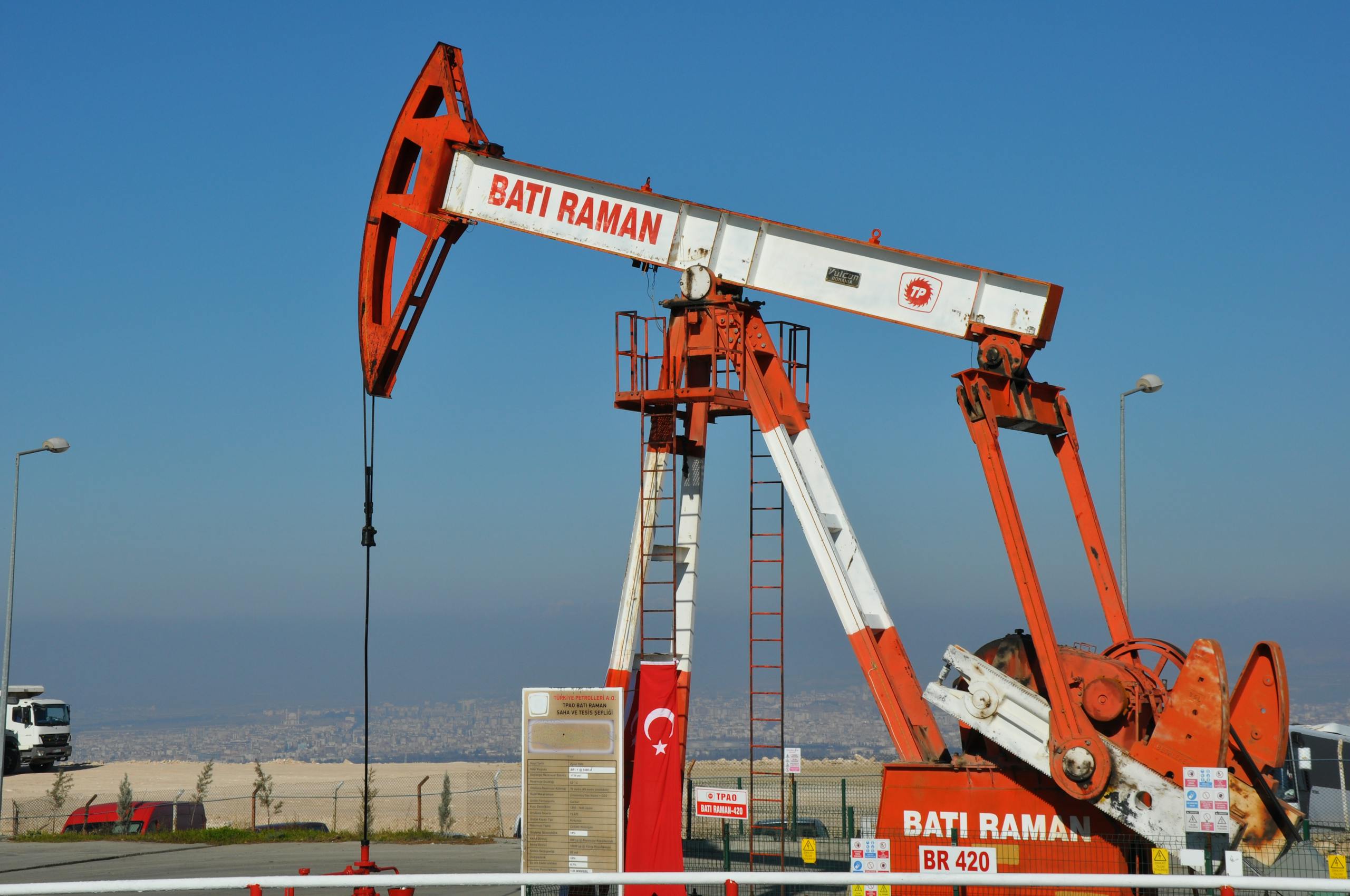
Humans have extracted on the order of 1.5 trillion barrels of oil to date. That is about 2.39×10^14 liters, or roughly 239 cubic kilometers of liquid. Put another way, it would fill about one and a half Lake Tahoes and about half of Lake Erie.
Best current estimate: ≈1.5 trillion barrels extracted cumulatively through 2023 ≈ 239 km³, derived from 9,004 exajoules of historical oil production energy and standard crude oil heat content (Visualizing Energy, EIA).
What is the source of the number?
The estimate comes from cumulative global oil production expressed as energy. Visualizing Energy reports ≈9,004 exajoules (EJ) of oil extracted through 2023. To translate that energy into the physical volume of oil, we use standard heat-content factors from the U.S. Energy Information Administration’s calculators.
How do you convert energy to barrels, liters, and cubic kilometers?
Step-by-step using widely used conversion factors (EIA):
- Historical oil production energy: 9,004 EJ = 9,004 × 10^18 joules.
- Average heat content of crude oil: ≈5,689,000 Btu per barrel in recent U.S. data, which is ≈6.0 gigajoules per barrel.
- Barrels = 9,004 EJ ÷ 6.0 GJ/barrel ≈ 1.50 × 10^12 barrels (≈1.5 trillion barrels).
- Liters = barrels × 158.987 L/barrel ≈ 2.387 × 10^14 liters.
- Cubic kilometers = liters ÷ 10^12 ≈ 238.7 km³ (rounded here to ≈239 km³).
Volume comparison: Lake Tahoe holds ≈150.7 km³ (source); Lake Erie ≈484 km³ (source). Cumulative oil volume to date sits between them.
What does that volume look like?
- A single cube about 6.2 kilometers on each side would hold ≈239 km³.
- At today’s consumption near 100 million barrels per day (Energy Institute Statistical Review), that is about 15.9 million cubic meters per day, or roughly 180 cubic meters per second, comparable to the discharge of a large waterfall. See the Energy Institute’s summary of global oil use trends here.
How certain is this estimate?
It is an informed approximation:
- Heat content varies. Crude oils differ in energy per barrel. The EIA factor (≈6.0 GJ/bbl) is a robust average for conversion, but using different regional or historical heat contents would shift the result by a few percent.
- What counts as “oil.” Global statistical series can include crude oil plus lease condensate and sometimes natural gas liquids. The Visualizing Energy total reflects standard international energy accounting, and is suitable for a global cumulative estimate.
- Rounding. Figures above are rounded for readability; the true value likely lies within a ±5 to 10 percent band.
Where did the oil go?
Most extracted oil has not remained as liquid oil. It was refined into fuels and products and then burned or used as feedstock for chemicals, plastics, and other materials. The “container” comparison is a way to visualize the cumulative quantity, not what physically exists today.
Related question: how much is left?
People often see claims like “X years of oil remain.” Those figures usually refer to proved reserves, which are quantities recoverable under current prices and technology, not all oil in the ground. Reserves change with discoveries, economics, and technology, so “years remaining” is a moving target rather than a countdown. For current reserves and consumption context, see the Energy Institute’s Statistical Review.