
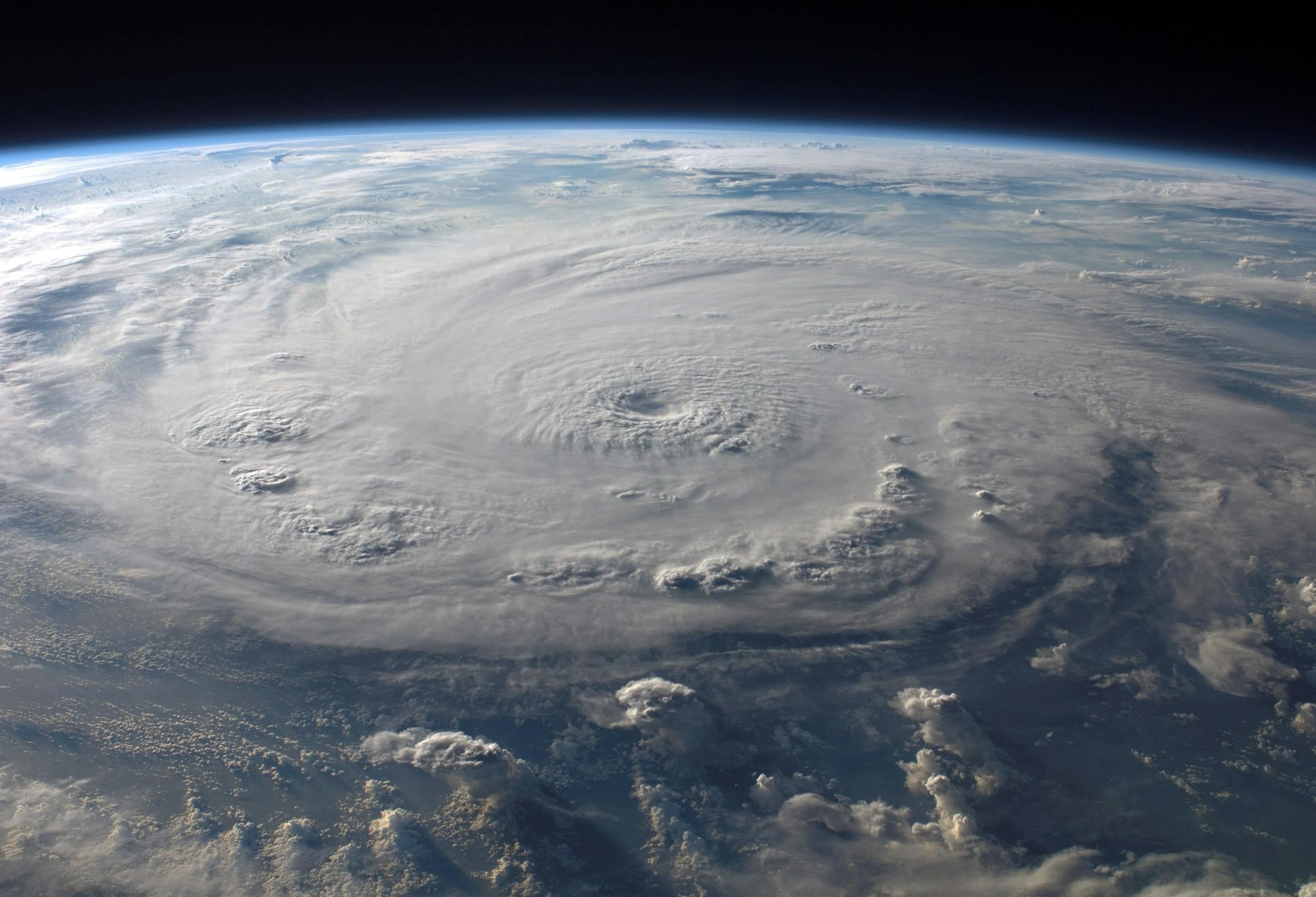
A bomb cyclone is a rapidly intensifying extratropical low-pressure system, while a hurricane is a tropical cyclone that forms over warm tropical oceans. They differ in how they form, where they form, and what powers them, so wind speed alone does not make a storm a hurricane. The recent Pacific Northwest storm was a bomb cyclone because it deepened quickly along strong temperature fronts in the midlatitudes, not a warm-core tropical system.
What is a bomb cyclone?
A bomb cyclone is an extratropical cyclone that undergoes explosive cyclogenesis, meaning its central pressure drops very quickly over 24 hours. The exact threshold depends on latitude because the atmosphere behaves differently at different latitudes.
At 60° latitude, a storm qualifies as a bomb cyclone if its pressure falls by at least 24 millibars in 24 hours, with a lower threshold at lower latitudes and a higher one near the poles (NOAA SciJinks, explosive cyclogenesis).
Bomb cyclones develop in the midlatitudes, typically from contrasts between cold and warm air masses along weather fronts, helped by jet stream dynamics. They are common over the Pacific and Atlantic in fall and winter, can bring hurricane-force winds, heavy rain or snow, and very rough seas. They are not tropical and they have a different internal structure from hurricanes.
What is a hurricane?
A hurricane is a type of tropical cyclone that forms over warm tropical oceans and reaches sustained winds of at least 74 mph on the Saffir–Simpson scale. The same type of storm is called a typhoon in the western Pacific and simply a cyclone in the Indian Ocean and near Australia.
“Hurricane” and “typhoon” are regional names for tropical cyclones, which draw their energy from heat and moisture over warm ocean water (NASA GPM).
Tropical cyclones are warm-core systems, roughly symmetrical, without attached warm and cold fronts, and their primary fuel is the release of latent heat from condensation in deep thunderstorms. They usually weaken quickly over land or over cooler water.
How do bomb cyclones and hurricanes differ?
- Energy source: Bomb cyclones are powered by horizontal temperature contrasts between air masses and by jet stream dynamics, hurricanes are powered by ocean heat and moisture.
- Structure: Bomb cyclones are typically cold-core and have fronts (warm and cold fronts), hurricanes are warm-core and lack fronts.
- Location and season: Bomb cyclones form in the midlatitudes and are most frequent in cool seasons, hurricanes form in the tropics and subtropics during warm seasons.
- Shape: Bomb cyclones are often asymmetrical with sprawling fronts, hurricanes tend to be more circular and compact with an eye and eyewall at high intensity.
- Lifecycle over land: Bomb cyclones can cross continents and re-intensify as they encounter new temperature gradients, hurricanes usually weaken rapidly over land.
Because of these differences, meteorologists classify storms by their dynamics and structure, not by wind speed alone. Some bomb cyclones do produce hurricane-force winds, but they are still extratropical systems.
Why the Pacific Northwest storm was a bomb cyclone, not a hurricane
The November 2024 Pacific Northwest storm formed over the midlatitude Pacific and intensified rapidly offshore, then affected Washington and British Columbia with destructive winds and large waves. It exhibited classic extratropical features, including strong fronts and jet stream support, and it deepened fast enough to meet the bomb cyclone criterion. Offshore buoys recorded winds to 101 mph in gusts, and widespread power outages followed onshore (CNN, Seattle Times).
It was not a hurricane because it did not form as a warm-core tropical cyclone over tropical waters, and it retained frontal structures typical of a midlatitude system. Some East Coast winter storms known as nor’easters are also bomb cyclones for the same reason.
Is a bomb cyclone as dangerous as a hurricane?
Impacts can be severe in both, but they tend to differ:
- Bomb cyclones can bring widespread damaging winds, heavy mountain snow, blizzard conditions, coastal flooding and large waves, and prolonged power outages across large regions.
- Hurricanes can deliver destructive wind, extreme rainfall and freshwater flooding, and storm surge along coastlines, often with concentrated damage near the eyewall.
Meteorologists and marine forecasters may issue hurricane-force wind warnings for non-tropical systems. This phrase refers to wind speed thresholds, not to the storm being a hurricane in the tropical sense.
Do names and thresholds cause confusion?
Yes. The word hurricane is both a regional name for a tropical cyclone and a wind category on the Saffir–Simpson scale. A bomb cyclone can reach hurricane-force winds, but it remains extratropical. Likewise, a tropical cyclone with sustained winds of 74 mph is a hurricane in the Atlantic or eastern Pacific, a typhoon in the western Pacific, and a severe tropical cyclone in other basins (NASA GPM).
Classification depends on how the storm is built and powered, not just on peak wind reports. Wind speed alone does not turn a midlatitude cyclone into a hurricane.