
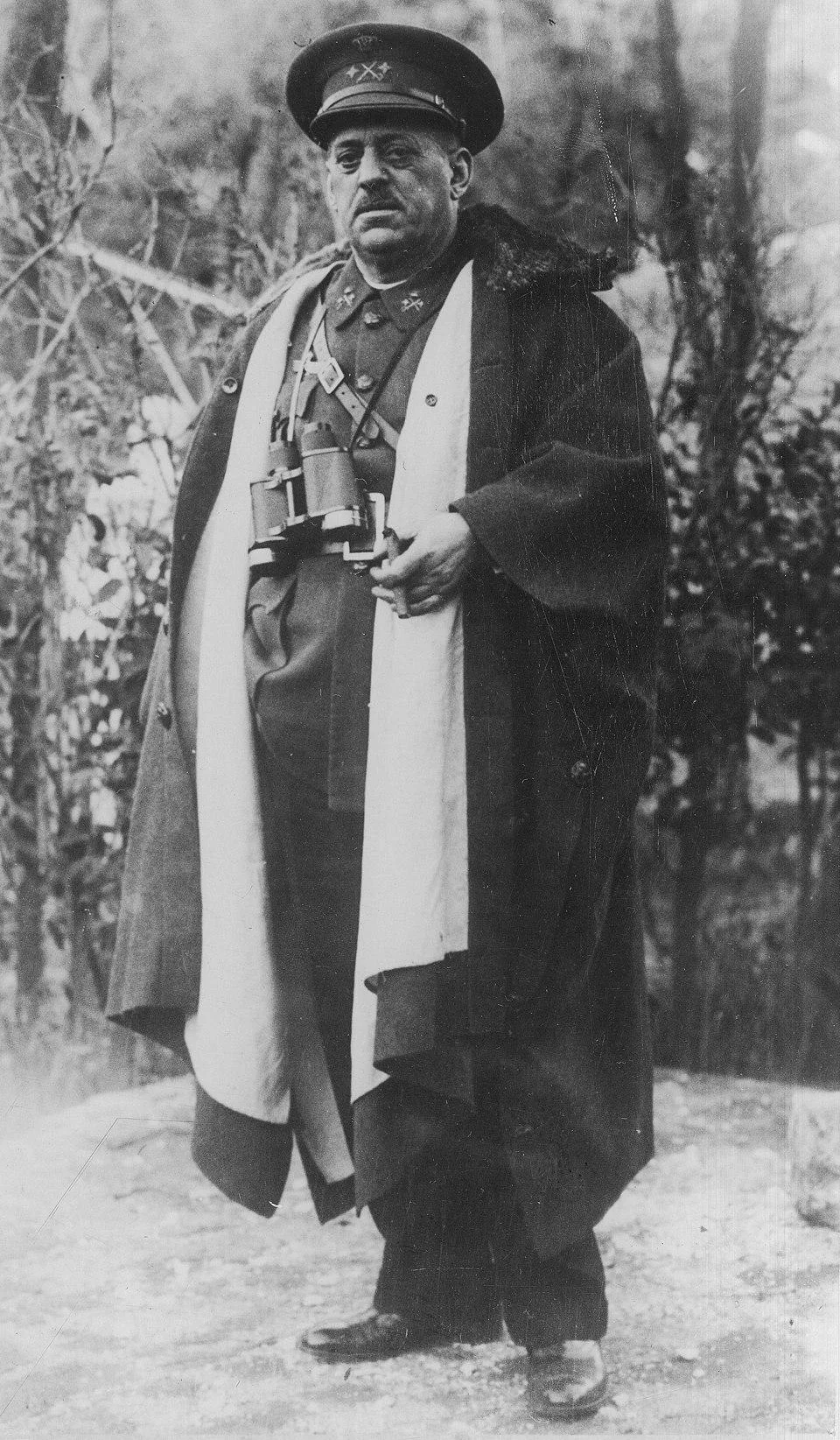
The suitcase was packed with braid and ceremony. On a bright July morning in 1936, a light aircraft clawed at the air over Portugal’s coast, heavy with the expectations of a coup and the luggage of a returning general. Seconds later it fell, the wreckage scattering across scrub just outside Estoril. Inside lay José Sanjurjo, the man many conspirators expected to lead Spain’s military uprising. History pivoted on the weight he chose to carry.
The fatal takeoff
Sanjurjo had been a towering figure on the Spanish right for years, celebrated by monarchists and conservatives and reviled by the Republic he had failed to overthrow in 1932. Exiled in Portugal, he was central to the secret planning of the 1936 military rising alongside Emilio Mola, the plot’s chief organizer, and Francisco Franco, a rising star based in the Canary Islands.
When garrisons rebelled across Spain in mid July, friends arranged a flight to bring Sanjurjo home to take charge. The pilot was Juan Antonio Ansaldo, a monarchist aviator who idolized the general. The plane lifted from the coast near Estoril on July 20 and struggled to climb. It struck ground moments later. Ansaldo survived with injuries. Sanjurjo, 64, did not.
Myth, memory and the luggage
In the decades since, a specific story has attached itself to the crash. According to contemporaries and later historians, the general insisted on bringing heavy luggage that included ornate uniforms and decorations for the victory he expected to celebrate. The aircraft was small. The summer air was warm. The margin for weight and balance was thin.
No modern accident report exists to settle every detail. Portugal was neutral and wartime Spain had other priorities than an exhaustive inquiry. Still, the physics is plain. Overweight aircraft need longer runways and better air to climb. Worse is an aft center of gravity, which makes an airplane eager to pitch up and dangerously prone to stall. That is a problem as old as powered flight and it has not gone away.
The unforgiving math of weight and balance
A weight or balance mistake can topple a general or a jetliner. In 2013, a Boeing 747 freighter operating as National Airlines Flight 102 crashed just after departing Bagram Airfield in Afghanistan. Investigators found that armored vehicles in the hold were inadequately secured. When the jet accelerated for takeoff, the cargo broke free and surged backward. The airplane’s nose pitched up, the stall came swiftly, and recovery was impossible.
National Airlines’ inadequate procedures for restraining special cargo loads, which resulted in the loadmaster’s improper restraint of the cargo, combined with the aircraft being loaded with more heavy vehicles than could safely be secured in it.
That concise finding by the U.S. National Transportation Safety Board in 2015 is a reminder that the checklist is not bureaucracy. It is survival. Even a state air force can fall prey to the same mistake. In 1981, a Soviet Tupolev Tu-104 taking off from Pushkin Airport near Leningrad lifted steeply, stalled, and slammed to earth. Witnesses reported that huge rolls of printing paper had been loaded and were believed to have rolled aft during the takeoff run, shoving the center of gravity beyond safe limits. All 50 aboard died, including 28 senior naval officers.
Different eras, different machines, identical physics. An airplane that is too heavy or too tail heavy will ask its pilots to do the impossible. In a light aircraft on a warm day in 1936, there was no computer monitoring loads, no sophisticated restraint system, and no margin to squander.
The second crash and an opening for Franco
Sanjurjo’s death did not stop the rising. It changed its trajectory. In its first months, the Nationalist rebellion was a tentative coalition of monarchists, Carlists, Falangists and Army commanders who barely trusted one another. Mola was the strategist, the Director, based in Pamplona. Franco controlled the Army of Africa and, once the airlift from Morocco began, the most seasoned troops in Spain.
With Sanjurjo gone, the question of supreme command sharpened. The Junta de Defensa Nacional formed in Burgos to give the rebellion a government. In October 1936 it proclaimed Franco Generalissimo of the armed forces and Head of State, a decision some military colleagues, including General Miguel Cabanellas, resisted. But Franco now had the title, the forces and time on his side.
Then another catastrophe. In June 1937, Mola’s aircraft flew into fog and smashed into hills near Alcocero in Burgos province. He was killed, along with those aboard. There was no credible evidence of sabotage. The loss removed the one Nationalist leader with the stature and network to counterbalance Franco. Two crashes, eleven months apart, closed the circuit of power around a single man.
How much did a suitcase matter
It is tidy to say that a few kilograms of pomp remade a country. Reality is messier. Authoritarian coalitions are fragile; Spain’s was shaped by battlefield fortunes, foreign aid from Nazi Germany and Fascist Italy, the terror that both sides inflicted, and the Republicans’ inability to maintain a united command. Even so, leadership style matters. Sanjurjo was a monarchist soldier of an older mold who might have steered the insurgency toward a regency or an earlier restoration of the crown. Mola was a planner with a political mind. Franco proved patient, cautious and relentless, consolidating factions under a single-party state that outlived World War II and the dictatorships that helped it win the war at home.
Counterfactuals are alluring and treacherous. What is certain is that aviation does not care about uniforms or titles. Pilots plead with passengers about luggage because it is not mere caution. It is arithmetic. A light plane in summer heat can be one bag away from a stall that no one can arrest. That truth has felled freighters, military transports and, one summer day in Portugal, a would-be Caudillo.