
The tab snaps, fizz rises, and for a split second it feels like relief. A new study suggests the comfort may come with a cost, especially for women, and the trail runs through the trillions of microbes living in the gut.
What the research found
In a recent peer-reviewed analysis of adults, researchers reported that people who drank more soft drinks were more likely to have a diagnosis of major depressive disorder. The signal was driven by female participants. Among women, higher consumption correlated with greater odds of depression. Among men, the association was not clear.
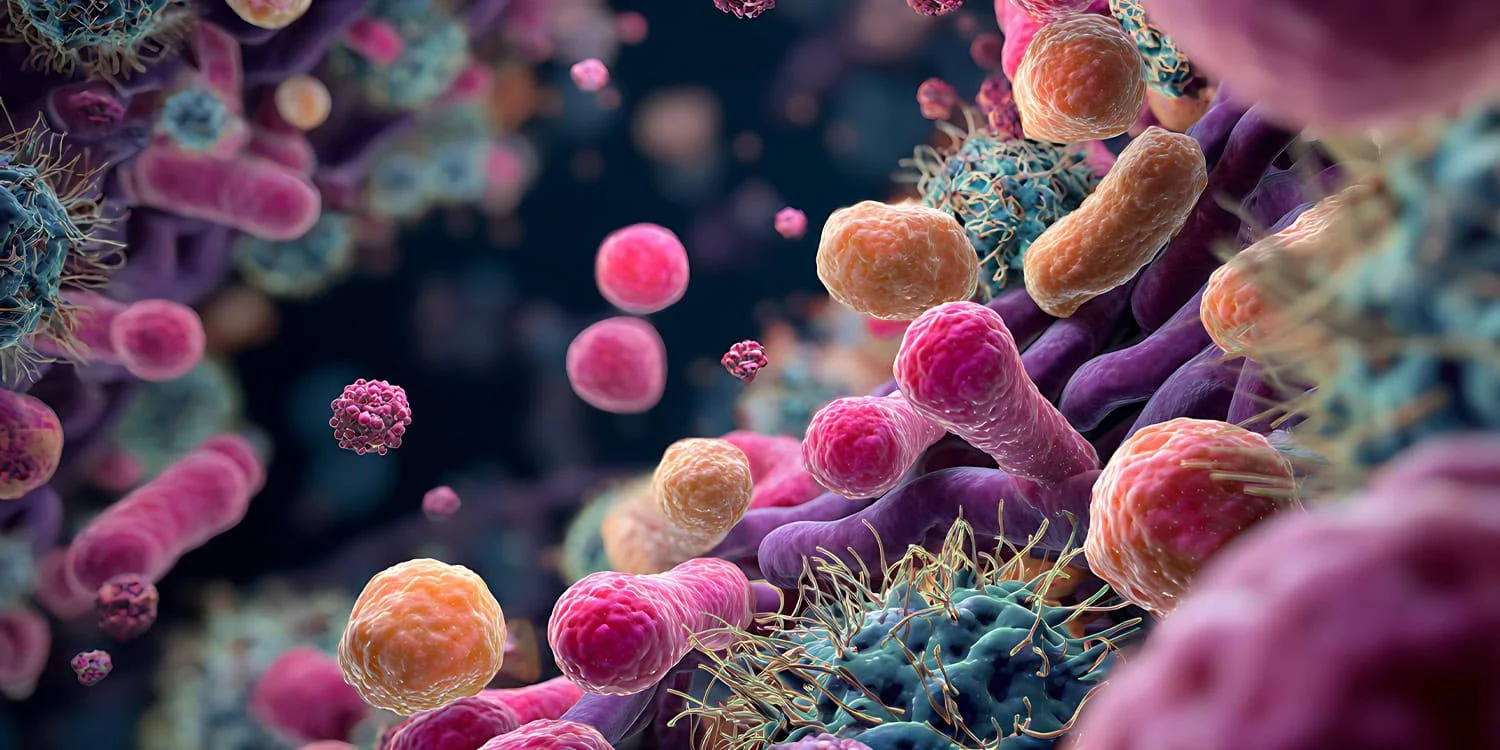
The team examined diet using standard food frequency questionnaires, grouping sweetened beverages like cola and lemonade under the soft drink umbrella. They paired those responses with stool sequencing to profile the gut microbiome. In exploratory mediation tests, variation in the abundance of two bacterial genera, Eggerthella and Hungatella, appeared to partially account for the link between soft drink intake and depression in women.
The study was observational, which means it can map associations but cannot prove that soda causes depression. It does, however, add a biologically plausible pathway. The result aligns with a growing body of work on the microbiota gut brain axis, the two way communication network connecting diet, microbial metabolism, inflammation, and mood.
Why the gut might matter
Microbes ferment dietary fibers and resistant starches into short chain fatty acids that play important roles in immune regulation and gut barrier integrity. Diets heavy in added sugars tend to crowd out fiber and can shift the microbial ecosystem. That shift often means fewer short chain fatty acid producers and more organisms that thrive on simple sugars and bile, a configuration linked in other studies to low grade inflammation.
Inflammation is not destiny, but it is a recurring character in depression research. Elevated inflammatory markers have been documented in subsets of people with major depressive disorder, and some anti inflammatory strategies appear to help a minority of patients. Against that backdrop, the reported increase in Eggerthella and Hungatella is notable. These genera have surfaced before in psychiatric and metabolic studies, though their roles are context dependent and likely influenced by the broader microbial community and host diet.
The sex specific pattern raises its own questions. Women and men differ in hormone profiles, immune responses, and baseline microbiome composition, and they often have different diet and beverage habits. Estrogen can modulate gut permeability and immune signaling, while the microbiome can influence the metabolism of sex hormones. Those intersecting pathways could amplify sugar related shifts in some women. It is also possible that women who drink more sugary beverages differ in other ways that affect mood, such as sleep quality, stress load, or overall diet quality.
What this study cannot tell us
The work is careful in design but bounded by the limits of self reported diets and cross sectional snapshots. Food frequency questionnaires are validated tools, yet they rely on memory and do not capture every change in habit. The definition of soft drinks in the study included lemonade and other sweetened beverages, which helps quantify sugar exposure but can blur what people mean when they say soda. The analysis adjusted for some confounders, including study site and education, but unmeasured factors remain likely.
Reverse causation is also on the table. Depression can sap energy, reduce cooking and shopping, drive cravings, and push people toward quick calories and familiar comforts. If depressive symptoms lead to more sweet drinks, the microbiome might change in step, creating the appearance of diet driven risk when the arrow of causation runs the other way. The truth may be a feedback loop. Low mood changes behavior, diet shifts the microbiome, and microbial metabolites, in turn, nudge inflammation and neurotransmission in ways that reinforce symptoms.
Artificially sweetened beverages are another gray area. Some nonnutritive sweeteners have been shown in other research to alter glucose tolerance and the microbiome, while others appear neutral in the short term. This study did not cleanly separate sugar from sweetener types within the soft drink category, which means it cannot identify a single culprit ingredient.
How to read the signal without overreading it
One study rarely rewrites anyone’s diet. This one does strengthen a pattern seen across nutritional psychiatry. Diets higher in whole plants, unsweetened dairy or fermented foods, legumes, fish, and minimally processed grains are repeatedly associated with lower risk of depression. Diets high in refined carbohydrates and added sugars are associated with higher risk. Randomized trials, though still few, suggest that improving overall diet quality can reduce depressive symptoms for some people.
That broad context does not make soda uniquely villainous, but it puts sweetened drinks in a category to treat with caution. Cutting back on added sugars tends to improve metabolic health, which itself influences mood and energy. For people already living with depression, beverage swaps will not replace therapy or medication. They can, however, be part of a package that includes sleep regularity, physical activity, social connection, and clinical care.
Practical takeaways
- If you drink sweetened soft drinks daily, try stepping down frequency or portion size, and replace at least some servings with water, sparkling water, or unsweetened coffee or tea.
- Look at patterns rather than single fixes. Greater fiber intake supports short chain fatty acid producing microbes. Vegetables, fruits, legumes, nuts, seeds, and whole grains are reliable sources.
- Fermented foods like yogurt, kefir, and some traditionally fermented vegetables can diversify the microbiome for some people, though tolerance varies.
- If you have persistent low mood, talk with a qualified clinician. Nutrition is a lever, not a standalone treatment.
Where research goes next
Several questions beg for randomized trials. Do sugar sweetened beverages, removed or reduced in isolation, change depressive symptoms in women more than in men. If so, how much of any benefit is carried through the microbiome, and which taxa and metabolites do the heavy lifting. Can improving fiber intake blunt sugar related microbial shifts without demanding total abstinence from sweet drinks. And can researchers distinguish the effects of specific sweeteners and flavoring agents from sugar itself.
Stronger answers will likely come from studies that combine diet logs with continuous glucose monitoring, stool metagenomics rather than 16S surveys, metabolomics to quantify short chain fatty acids and bile acids, and repeated mental health assessments over time. Stratifying by sex, age, body size, and baseline diet will matter. So will pragmatic designs that test changes people can actually live with.