
Your brain may be older than your birth certificate suggests, and what sits on your plate could be part of the reason.
A large study of more than 21,000 adults in the UK has linked diets that promote inflammation with signs of faster brain aging, particularly in people 60 and older. The work, published in the European Journal of Epidemiology, estimates that those eating the most pro-inflammatory diets had brains that appeared about half a year older than their peers, even after accounting for age, education, lifestyle, and cardiovascular conditions.
“These findings suggest that a pro-inflammatory diet may accelerate brain aging, especially in older adults,” the authors wrote.
The signal was modest but consistent. In a field where prevention often means finding small, cumulative advantages, that matters.
What the researchers did
The team analyzed data from 21,473 participants in the UK Biobank, a long-running health study of middle-aged and older adults. Between 2009 and 2012, participants completed one or more 24-hour diet recalls. Researchers used those reports to calculate each person’s Dietary Inflammatory Index, a score that reflects how strongly a diet tends to raise or lower inflammation based on dozens of nutrients and food components.
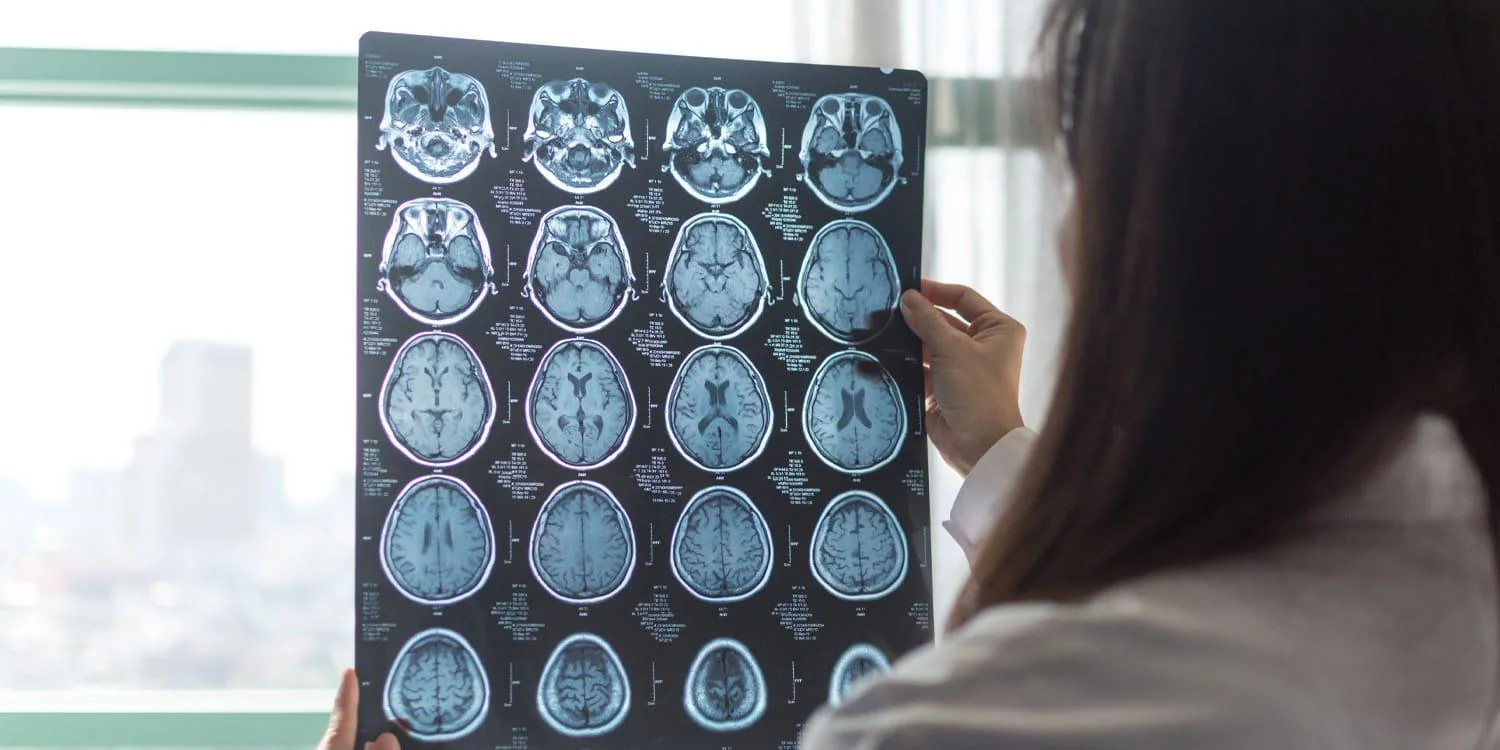
Roughly nine years later, participants underwent comprehensive brain imaging. Using 1,079 structural and functional MRI measures, the researchers trained a machine learning model to estimate each person’s brain age, then calculated a brain age gap by subtracting chronological age. A positive gap suggests a brain that looks older than expected.
They also created a composite inflammation score from blood biomarkers taken at baseline, including C-reactive protein, white blood cells, platelet count, and the neutrophil-to-lymphocyte ratio. Genetic risk for Alzheimer’s disease was considered through both APOE4 status and a polygenic risk score. Analyses adjusted for education, socioeconomic status, smoking, physical activity, energy intake, body size, hypertension, diabetes, and cardiovascular disease.
What they found
Compared with those whose diets scored as most anti-inflammatory, people whose diets were most pro-inflammatory had an average brain age gap that was 0.50 years higher. The association was stronger among older adults. For people 60 and older, the difference approached 0.9 years when comparing the top inflammatory diets with the most anti-inflammatory ones. That pattern held across a series of sensitivity tests, such as repeating the analysis in people who completed multiple diet recalls and those reporting a typical day of eating.
The biomarker analysis pointed to a possible mechanism. Higher dietary inflammatory scores were linked to higher blood markers of systemic inflammation, and that composite inflammation score explained about 8 percent of the relationship between diet and brain age. The association did not depend on APOE4 carrier status and was not driven by measured cardiovascular conditions alone.
What counts as a pro-inflammatory diet
The Dietary Inflammatory Index does not label a single named diet. It tallies the inflammatory potential of what people actually consume. Still, the profile looks familiar. Diets that skew pro-inflammatory tend to include more red and processed meats, high-fat dairy, eggs, refined grains, and heavily processed foods. Patterns that lean anti-inflammatory skew toward minimally processed plant foods: vegetables, fruits, whole grains, and legumes, along with fish and other sources of omega-3 fats.
Put more simply, shifting the mix toward fiber-rich plants and away from ultra-processed fare is associated with lower inflammatory biomarkers in many studies. That shift also aligns with Mediterranean, DASH, and MIND eating patterns that have been linked to healthier brain structure and slower cognitive decline.
Why inflammation matters to the brain
Inflammation is part of the immune system’s tool kit, but when it runs chronically high in the body it can turn harmful. Elevated inflammatory markers are associated with an increased risk of cognitive decline and dementia. Scientists have proposed several pathways by which peripheral inflammation can erode brain health, including damage to the blood brain barrier, activation of brain immune cells, and downstream oxidative stress that can harm neurons and the connections between them.
This study did not test those pathways directly. It did show that people with diets that push inflammation upward also tended to have brain scans that looked a bit older, and that part of that link ran through measurable, low-grade inflammation in the blood.
Important caveats
The findings come with the usual limits of observational research. The UK Biobank is a volunteer cohort that is healthier and more affluent than the general population, and it is predominantly white. Diet was self-reported, which can introduce measurement error, and the Dietary Inflammatory Index in this dataset did not include every one of the 45 possible components used in its original development. The brain age model is a composite estimate rather than a diagnosis.
The results describe an association, not proof of cause and effect. Although the diet recalls came years before the brain scans, unmeasured factors could still contribute. The researchers worked to account for many confounders, yet residual confounding is always possible.
What this means for readers
This is not a ban list. The signal here is about patterns over time. Diets that regularly tilt toward ultra-processed foods, refined grains, and high intakes of red and processed meat were linked to higher inflammatory biomarkers and slightly older-looking brains in late life. Diets that center vegetables, fruits, whole grains, legumes, nuts, and fish tended to line up with lower inflammation and more favorable brain measures in this and many other studies.
For those already following a plant-forward pattern, the study offers one more reason to keep going. For others, the results suggest that shifting the balance of the weekly menu toward minimally processed plant foods could be a brain-friendly move, especially with age. As always, personal health needs vary. People with specific medical conditions or nutrient deficiencies should discuss diet changes with a clinician or a registered dietitian.
Study details at a glance
- Population: 21,473 UK Biobank participants aged 40 to 70 at baseline, free of neurological disorders
- Exposure: Dietary Inflammatory Index from up to five 24 hour recalls
- Outcome: Brain age gap from machine learning analysis of 1,079 MRI measures about nine years later
- Key result: Most pro-inflammatory diets linked to a 0.50 year higher brain age gap overall, stronger among adults 60 and older
- Mechanism signal: Composite blood inflammation score mediated about 8 percent of the association