
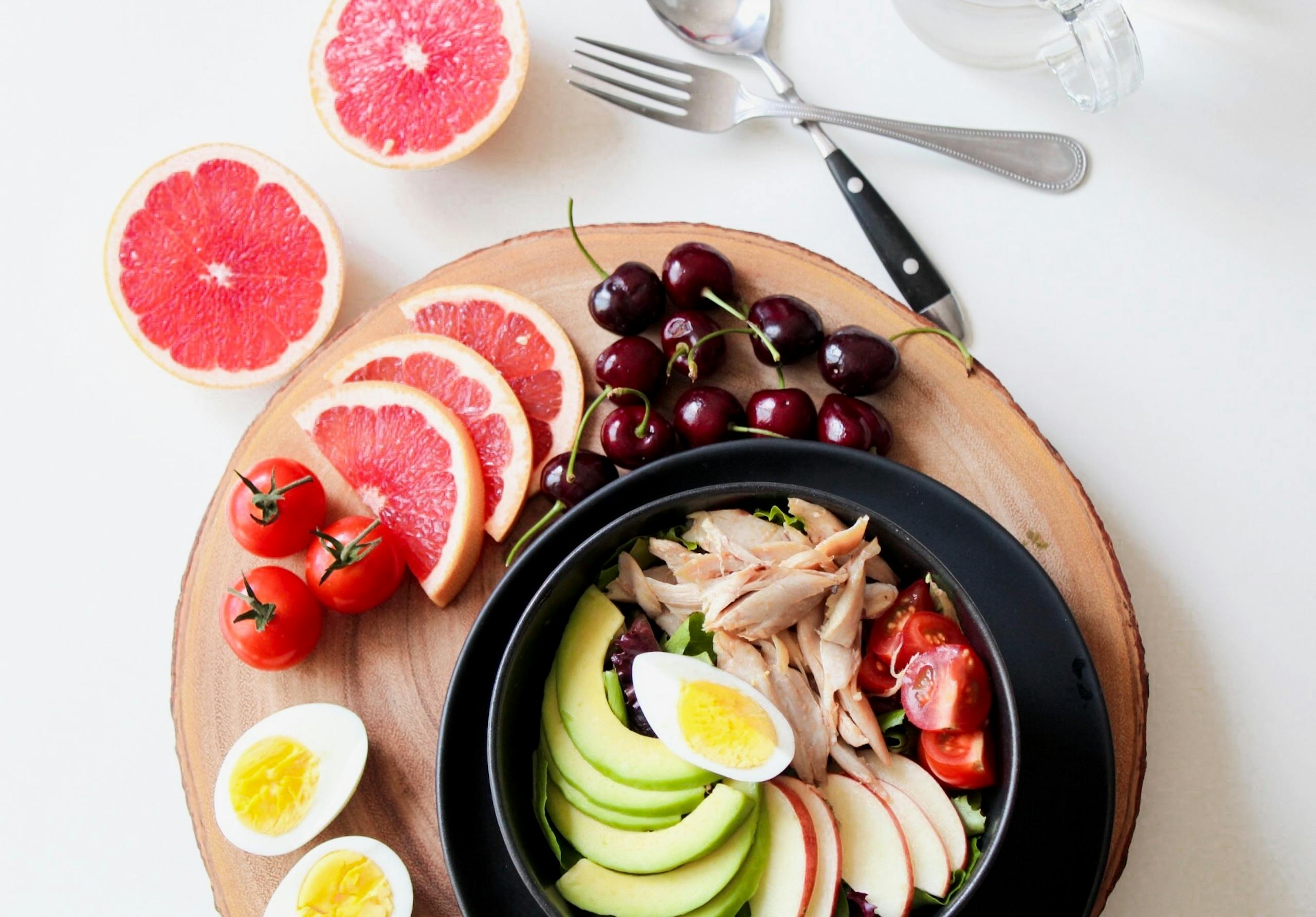
On a recent morning in São Paulo, a school cafeteria worker lifted a lid to reveal trays of beans, rice and sautéed greens. The menu is part of a nationwide shift: Brazil’s school food program has eliminated most ultra-processed products and, by 2026, aims for 90 percent of food served to be fresh or minimally processed. The change arrives amid a global reckoning with what we eat, and what, exactly, counts as food.
The alarm that jolted the nutrition world
Ultra-processed foods are now linked to harm in every major organ system, according to a new series in The Lancet that synthesizes the largest body of evidence to date. The authors reviewed 104 long-term studies; 92 reported higher risks of one or more chronic diseases or earlier death among people who ate the most ultra-processed foods. The series lands in a world where these products account for more than half of daily calories in the US and UK, and as much as 80 percent for some younger and lower-income groups.
One of the series’ lead authors, Carlos Monteiro, professor of public health nutrition at the University of São Paulo and creator of the NOVA classification used to define ultra-processed foods, did not mince words.
“The evidence strongly suggests that humans are not biologically adapted to consume them.” — Carlos A. Monteiro, University of São Paulo
The papers argue that ultra-processed products encourage overeating, deliver poorer nutritional quality and expose consumers to additives and packaging chemicals. They also describe corporate tactics that push these foods into every corner of daily life and resist regulation. Another co-author, Barry Popkin of the University of North Carolina, urged governments to design clearer labels and stronger safeguards.
“We call for including ingredients that are markers of UPFs in front-of-package labels, alongside excessive saturated fat, sugar, and salt.” — Barry M. Popkin, University of North Carolina
But what is an ultra-processed food?
Here the debate flares. NOVA, the most widely used system, groups foods by how they are made. Group 1 covers unprocessed or minimally processed foods such as fruits, vegetables, grains, beans, milk, eggs and plain yogurt. Group 2 includes culinary ingredients like oils, flour, butter, sugar and salt. Group 3 contains simple processed foods such as cheese, canned fish and bakery bread. Group 4 is ultra-processed: industrial formulations with multiple ingredients, often using substances not used in home kitchens (protein isolates, modified starches, hydrogenated oils) and cosmetic additives such as emulsifiers, flavorings, colors and non-nutritive sweeteners. Think sugary drinks, packaged snacks, ice cream, candy, many breakfast cereals, reconstituted meats and heat-and-eat meals.
Critics counter that the boundaries blur in practice. A widely cited review in Nutrition Research Reviews contends NOVA’s core terms are too squishy to sustain sweeping health claims.
“The terms ‘processing’ and ‘ultra-processing’ … are ill-defined, as no scientific, measurable or precise reference parameters exist for them.” — Fabrizio Visioli and colleagues, Nutrition Research Reviews (2022)
The authors argue that NOVA can conflate issues. Portion size and nutrient profile often explain harm, they note, not the mere fact of industrial processing. They also point out exceptions: fortified foods that prevent deficiency; tofu and traditional breads that undergo processing yet can fit healthy patterns. In their view,
“the assertion that ultra-processed foods are intrinsically unhealthful is largely unproven, and needs further examination.” — Visioli et al.
What the evidence does and does not say
Two lines of research anchor the current discourse. First are dozens of observational studies linking higher ultra-processed intake to greater risks of obesity, type 2 diabetes, cardiovascular disease, depression and overall mortality. By their nature, these studies cannot prove cause and effect, and results can hinge on how researchers classify foods and adjust for confounders such as income, smoking, sleep, sedentary time and overall diet quality.
Second is a rare inpatient trial that made headlines in 2019. At the US National Institutes of Health, researcher Kevin Hall fed 20 adults two rotating two-week diets, matched for total sugars, fiber, fat, sodium and calories on offer. Participants could eat as much as they wanted. On the ultra-processed diet, they consumed about 500 additional calories per day and gained weight; on the minimally processed diet, they lost weight. The study suggested mechanisms tied to energy density, speed of eating and hyperpalatability may drive overconsumption, independent of the food’s posted nutrients. The trial did not isolate which elements of processing mattered most.
Mechanistic research is now chasing leads: do emulsifiers alter the gut barrier or microbiome in ways that stoke inflammation? Does the structural “softness” of many industrial foods speed eating and blunt satiety signals? How much risk accrues from nitrates in processed meats or from plasticizers migrating from packaging? The answers are coming in piece by piece, and they do not always map neatly onto a single category like NOVA’s Group 4.
The policy push, and the stakes
The Lancet series frames ultra-processed foods as a systems problem, not a string of individual choices. It calls for front-of-pack warnings that flag hallmark UPF ingredients, tighter limits on child-directed marketing, and restrictions on sales and shelf space in public settings such as schools and hospitals. Brazil’s school meals overhaul is one early template. Other countries are experimenting with food taxes, marketing curbs and public procurement standards.
Industry and some scientists warn against blunt instruments. Drawing a bright regulatory line around a contested definition could backfire, they argue, by sweeping in nutritious products or delaying reforms that emphasize nutrients, portions and eating patterns. The NOVA debate, in other words, is not just academic. It shapes how labels are written, how products are reformulated, and what children see at eye level in supermarket aisles.
How to navigate your cart while science catches up
There is broad agreement on several practical points that do not depend on perfect definitions:
- Limit sugary drinks and processed meats. These show the most consistent associations with harm.
- Favor foods that look like their original ingredients. Beans, lentils, whole grains, vegetables, fruits, nuts, plain yogurt and eggs are reliable anchors.
- Watch energy density and speed of eating. Soft, hyperpalatable products are easy to overconsume rapidly.
- Do not equate all processing with danger. Freezing, canning, fermenting and pasteurizing can improve safety and access. Tofu, wholegrain breads, canned fish and many yogurts can fit healthy patterns.
- Mind context. Time, money and neighborhood options constrain choices. Policies that make healthier options affordable and convenient matter as much as advice.
In the end, both sides of the UPF debate are pushing toward the same horizon: a food system where the easy choice is also the nourishing one. The Lancet authors are ringing the bell; the critics are asking for clearer sheet music. Consumers are left conducting day by day, tray by tray, in cafeterias and kitchens the world over.