
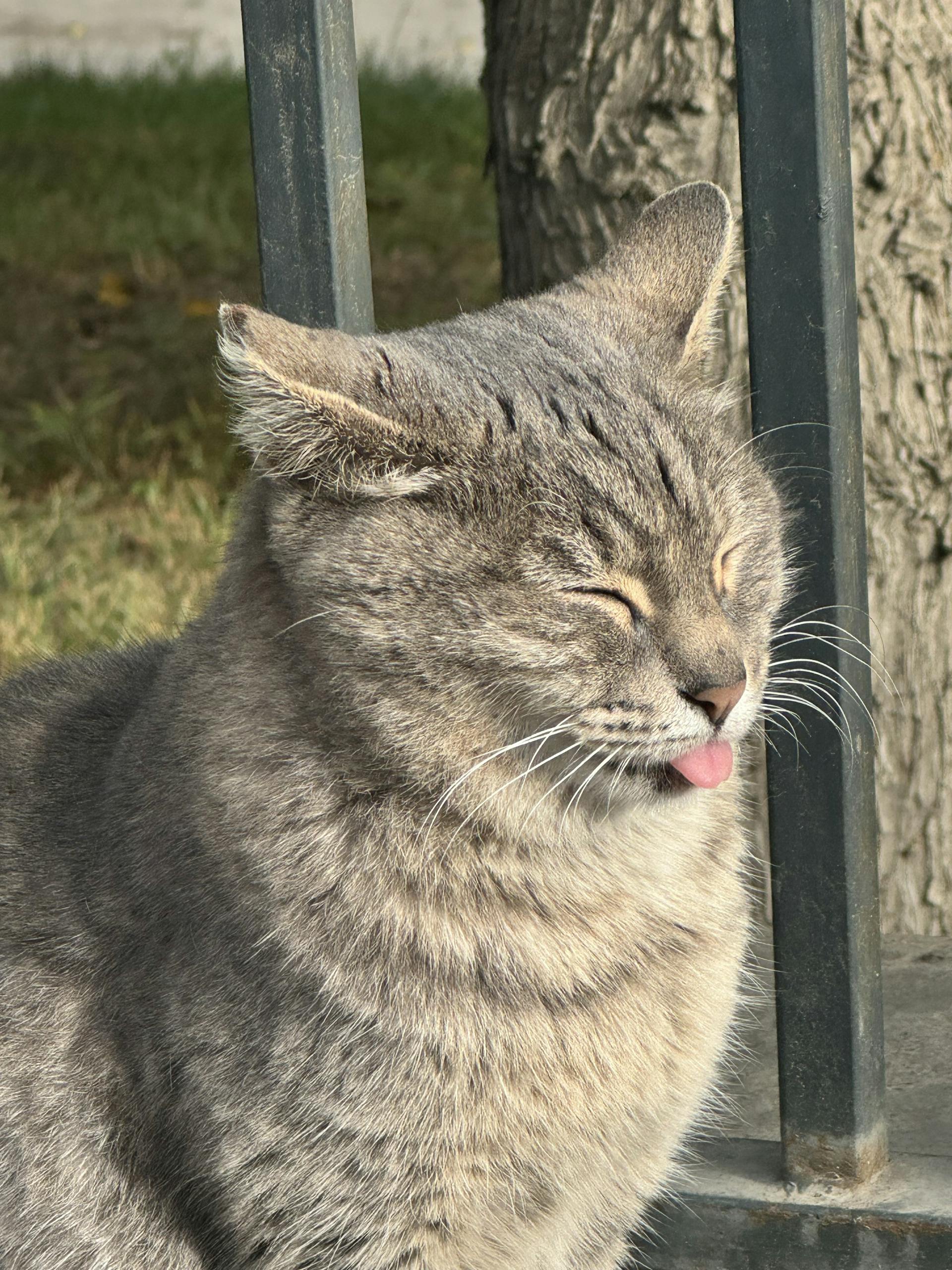
The sound starts as a gentle tremor against your ribs, a metronome you can feel more than hear. A minute later your shoulders drop, your breath falls into step, and the room seems to soften at the edges. A cat’s purr is ordinary magic—and science is beginning to explain why it so often calms us.
What science says about pets and stress
For decades, researchers have documented that interacting with companion animals can lower markers of stress. In a randomized study at Washington State University, college students who spent just 10 minutes petting cats or dogs showed a significant reduction in salivary cortisol, a major stress hormone, compared with peers who watched a slideshow or waited their turn. The drop wasn’t about belief or expectation; it was measured biochemically.
Broader health research has echoed those benefits. A scientific statement from the American Heart Association concluded that pet ownership—particularly dog ownership—is associated with reduced cardiovascular risk, while cautioning that correlation does not prove causation. Separate observational work from the University of Minnesota found that people who owned cats had a lower risk of dying from heart attack than those who never did, a finding that sparked interest but also debate about lifestyle and selection effects. The through line: living with animals can nudge our nervous systems toward calm, and cats are very much part of that story.
Inside the purr: a physiological lullaby
Unlike a meow or hiss, purring is an unusual vocalization. Domestic cats generate it during both inhalation and exhalation, driven by rapid contractions of the laryngeal muscles under neural control. Recordings typically place the fundamental frequency of a purr between roughly 25 and 150 hertz—low and steady, closer to a quiet engine than a musical note.
That frequency range is more than trivia. Low-frequency, rhythmic vibrations are used in certain physical therapy settings to promote relaxation and, in some contexts, to support bone and soft-tissue healing via mechanotransduction—the way cells respond to mechanical cues. While a cat on your chest is not a medical device, the overlap helps explain why the sensation feels physically soothing: those vibrations propagate through skin and bone, and your body registers them as gentle, predictable input rather than noise.
The nervous system loves rhythm
Calm is a whole-body event. When you rest a hand on a purring cat, touch-sensitive nerve fibers fire in slow, regular patterns that the brain often interprets as safe contact. That perception helps downshift the sympathetic “fight-or-flight” response and supports the parasympathetic system—the circuitry that governs rest, digestion, and recovery.
Sound adds another pathway. Humans naturally entrain to rhythm, whether it’s walking to a beat or breathing to a lullaby. The purr’s steady cadence can become a cue: you unconsciously elongate your exhalation, which in turn stimulates the vagus nerve, easing heart rate and blood pressure. Neurochemistry likely plays a role, too. Studies of human–animal interaction show increases in oxytocin and decreases in cortisol during gentle petting and quiet presence, changes that map closely to what many cat owners report during a long, contented purr.
Context matters: when, how, and why cats purr
Cats don’t purr only when they’re happy. Veterinary researchers have documented purring during stress, injury, and even labor—suggesting it functions as self-soothing and possibly as a low-energy healing mechanism. That dual purpose is worth remembering: a purr can mean “I’m content,” but it can also mean “I’m coping.”
There are nuances in the sound itself. Work by behavioral ecologists has shown that some cats embed a subtle, higher-pitched element within their purrs when soliciting food, which humans often find especially hard to ignore. The upshot is that purring is flexible communication as well as self-regulation. For our purposes, the key is that its physical qualities—the vibration you feel and the rhythm you hear—are consistent enough to impact our own physiology.
From lab finding to living room ritual
Turning evidence into practice doesn’t require a protocol. If your cat is receptive, set aside a few minutes when you feel wound up. Sit or lie comfortably, invite the cat to settle where their weight feels supportive—not on a fresh incision or sore joint—and rest one hand lightly along their ribcage or shoulder blades. Let your breath match the rise and fall you feel, lengthening exhalations without strain.
Mindful touch amplifies the benefit. Stroke with slow, deliberate movements that your cat enjoys—typically from forehead to the base of the neck or along the flank, avoiding overstimulation spots. If the purr stops or your cat flicks their tail or ears in irritation, pause. The calming effect depends on mutual ease; pushing past a cat’s consent defeats the purpose and can backfire for both of you.
What about recordings? High-quality purr audio can be relaxing background sound, especially when paired with diaphragmatic breathing. Still, studies that show the strongest stress reductions involve live interaction. The warmth, weight, and tactile feedback of a real cat add dimensions that speakers can’t reproduce.
Limits, caveats, and care
Stress is complex, and no single sound—however lovely—can erase its causes. If anxiety, insomnia, or low mood persist, seek professional guidance; a purr is a complement, not a cure. People with allergies or certain medical devices should also use common sense; consult a clinician if you’re unsure whether prolonged close contact is appropriate for you.
It’s equally important to care for the calming partner in this equation. Routine veterinary checkups, a predictable home environment, and enrichment through play help cats feel secure. A relaxed cat is more likely to purr in ways that are soothing rather than urgent, and your bond deepens when both nervous systems feel safe.
Why this gentle sound endures
Part of the purr’s power is narrative. It arrives without words, asks little, and offers a rhythm sturdy enough to lean on. In a world of notifications and noise, it is a reminder that biology still has quiet tools: vibration, breath, touch, trust.
The numbers suggest that many Americans have access to those tools at home—industry surveys estimate that tens of millions of U.S. households live with cats. But statistics only tell part of the story. The rest lives in the small decisions: we pause, we listen, and two species find a tempo they can share.